One Piece Character Design and Art Style: The Visual World of Eiichiro Oda
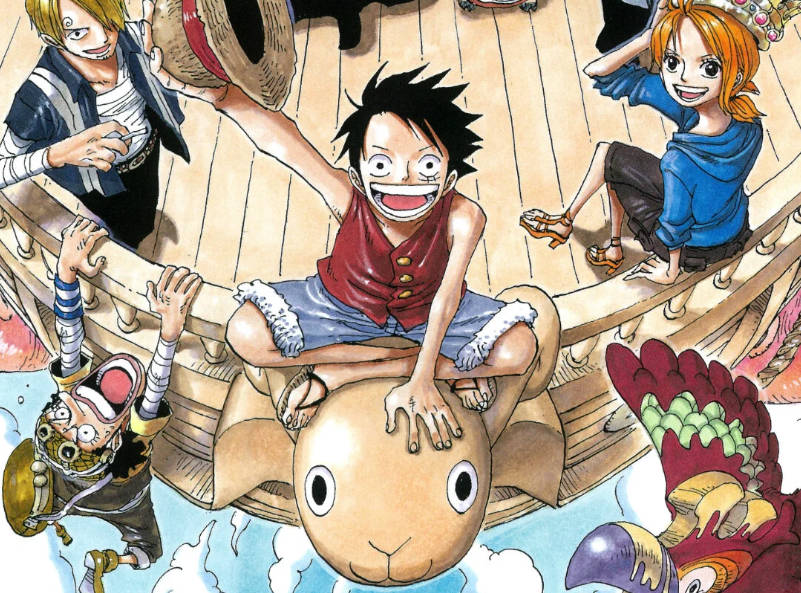
The Visual Mastery of Eiichiro Oda
One Piece is renowned not only for its compelling storytelling and memorable characters but also for its distinctive visual style. Eiichiro Oda’s unique art style and character designs have become iconic, setting One Piece apart from other manga and anime series. This article explores the character design philosophy, art style evolution, and visual techniques that make One Piece’s visuals so distinctive and beloved.
Eiichiro Oda’s Artistic Background
Early Influences:
- Osamu Tezuka: The “God of Manga” who inspired many creators
- Akira Toriyama: Creator of Dragon Ball, known for dynamic action scenes
- Leiji Matsumoto: Known for space operas and distinctive character designs
- Western Comics: Influence from American comics and cartoons
- Video Games: Influence from classic video games
Artistic Training:
- Formal Education: Studied design at Kyushu Sangyo University
- Assistant Work: Worked as an assistant to Shinobu Kaitani
- Early Works: Created several one-shot manga before One Piece
- Unique Style Development: Evolved his style over time
- Recognition: Received multiple awards for his artwork
Artistic Philosophy:
- Readability: Prioritizing clear storytelling over detailed art
- Expressiveness: Characters with exaggerated expressions
- Distinctiveness: Each character being immediately recognizable
- Consistency: Maintaining visual consistency over long periods
- Evolution: Continuously improving his art style
Character Design Principles
Silhouette Recognition:
- Distinctive Shapes: Each character has a unique silhouette
- Readability: Characters recognizable even in shadow
- Visual Hierarchy: Important characters have more distinctive silhouettes
- Silhouette Testing: Oda reportedly tests character designs by their silhouettes
- Practical Application: Easy to recognize characters in crowded panels
Proportional Exaggeration:
- Limb Length: Characters with exaggerated limb proportions
- Facial Features: Distinctive and often exaggerated facial features
- Body Types: Wide variety of body shapes and sizes
- Age Representation: Characters with varied age appearances
- Visual Humor: Exaggeration used for comedic effect
Color Theory Application:
- Color Coding: Characters associated with specific colors
- Color Symbolism: Colors representing character traits
- Contrast: Using color contrast to highlight characters
- Palette Consistency: Maintaining consistent color schemes
- Emotional Resonance: Colors evoking specific emotions
Accessory Design:
- Signature Items: Characters with distinctive accessories
- Narrative Function: Accessories that serve story purposes
- Cultural Significance: Accessories reflecting cultural backgrounds
- Character Development: Changes in accessories representing growth
- Brand Recognition: Accessories becoming iconic elements
Character Archetypes and Variations
Pirate Archetypes:
- Classic Pirates: Characters with traditional pirate elements
- Modern Pirates: Updated takes on pirate tropes
- Anti-Heroes: Pirates with moral complexity
- Villainous Pirates: Truly evil pirate characters
- Comedic Pirates: Pirates used for comic relief
Marine Archetypes:
- Heroic Marines: Morally upright naval officers
- Corrupt Marines: Marines who abuse their power
- Ambiguous Marines: Marines with complex motivations
- Comedic Marines: Marines used for comic relief
- Elite Marines: Exceptionally powerful naval officers
Civilian Archetypes:
- Ordinary Citizens: Regular people caught up in events
- Skilled Artisans: Characters with specific crafts or skills
- Leaders and Rulers: Kings, queens, and other leaders
- Criminals and Outcasts: Characters outside the law
- Comedic Relief: Characters primarily for humor
Monster and Creature Design:
- Sea Kings: Giant sea creatures with unique designs
- Minks: Animal-human hybrids with distinctive traits
- Fish-Men and Merfolk: Ocean-dwelling humanoids
- Giants: Massive humanoids with unique cultures
- Mythical Creatures: Dragons, phoenixes, and other mythical beings
Art Style Evolution
Early One Piece (1997-2002):
- Simpler Designs: More straightforward character designs
- Rounder Features: Softer, rounder character proportions
- Less Detail: Simpler backgrounds and environments
- Dynamic Action: Focus on energetic action scenes
- Expressive Faces: Exaggerated facial expressions
Middle Period (2002-2010):
- Increased Detail: More detailed character designs
- Sharper Features: Characters with more defined features
- Improved Backgrounds: More detailed and immersive environments
- Enhanced Action: More dynamic and complex action scenes
- Consistent Style: Developing a more consistent visual identity
Current Period (2010-Present):
- Refined Designs: Highly polished character designs
- Detailed Environments: Richly detailed backgrounds
- Dynamic Composition: More complex and interesting panel layouts
- Enhanced Emotion: Even more expressive character reactions
- Technical Mastery: Peak technical skill in artwork
Visual Storytelling Techniques
Panel Composition:
- Dynamic Angles: Interesting camera angles for dramatic effect
- Panel Flow: Clear reading direction and rhythm
- Splash Pages: Impactful full-page illustrations
- Double-Page Spreads: Epic scenes spanning two pages
- Panel Variation: Mix of panel sizes and shapes for variety
Action Sequencing:
- Motion Lines: Conveying movement and speed
- Speed Lines: Indicating fast movement
- Blur Effects: Showing rapid motion
- Impact Frames: Highlighting powerful attacks
- Slow Motion: Dramatic moments given extra emphasis
Emotional Expression:
- Exaggerated Faces: Over-the-top facial expressions
- Tearful Reactions: Characters with dramatic crying scenes
- Angry Expressions: Intense anger shown through facial distortion
- Happy Expressions: Joyful reactions with wide grins
- Subtle Emotions: More nuanced emotional expressions
Environmental Storytelling:
- Setting Establishment: Detailed backgrounds that set the mood
- Weather and Lighting: Using weather to reflect mood
- Symbolic Elements: Objects that carry symbolic meaning
- Cultural Details: Background elements reflecting culture
- Visual Foreshadowing: Environmental clues hinting at future events
Cultural Influences on Design
Japanese Culture:
- Samurai Elements: Influence from traditional Japanese warriors
- Kabuki Theater: Makeup and costume influences
- Japanese Folklore: Yokai and mythical creatures
- Traditional Clothing: Kimono and other traditional garments
- Sumo Wrestling: Influence on certain character designs
Western Culture:
- Pirate Iconography: Traditional Western pirate elements
- Medieval Knights: Armor and weapon designs
- Cowboy Aesthetics: Western influence on certain characters
- Steampunk Elements: Victorian-era technology
- Pop Culture References: References to Western movies and music
Global Cultures:
- African Influences: Character designs inspired by African cultures
- Middle Eastern Elements: Desert kingdoms and clothing
- South American Influences: Ancient civilizations and mythology
- Asian Cultures: Chinese, Korean, and Southeast Asian influences
- Indigenous Cultures: Native American and Pacific Islander elements
The Role of Color in One Piece
Manga Color Pages:
- Weekly Color Spreads: Vibrant color pages in Weekly Shonen Jump
- Color Symbolism: Characters associated with specific colors
- Mood Setting: Color palettes reflecting the tone of the arc
- Visual Impact: Color pages used for important scenes
- Collector’s Items: Color pages highly valued by collectors
Anime Color Adaptation:
- Color Consistency: Maintaining color schemes from manga
- Enhanced Animation: Color used to highlight movement
- Lighting Effects: Dynamic lighting in animated scenes
- Special Effects: Colorful Devil Fruit abilities
- Visual Harmony: Consistent color palette across episodes
Merchandise Color Application:
- Brand Consistency: Characters maintaining consistent colors on merchandise
- Color Recognition: Products identifiable by color schemes
- Marketing Appeal: Bright colors attracting attention
- Collector’s Value: Limited edition colored merchandise
- Cross-Platform Consistency: Colors maintained across different media
Character Design Evolution
Straw Hat Pirates Design Changes:
- Luffy: Subtle changes to his proportions and facial features
- Zoro: Evolution of his hairstyle and scar placement
- Nami: Changes to her fashion sense and body proportions
- Sanji: Refinement of his facial features and style
- Chopper: Maintaining his core design while adding variations
- Robin: Changes to her hairstyle and fashion
- Franky: Evolution of his cyborg design
- Brook: Subtle changes to his skeletal design
- Jinbe: Consistent design with minor adjustments
Villain Design Progression:
- Early Villains: Simpler designs with clear motivations
- Mid-Series Villains: More complex designs and backstories
- Current Villains: Highly detailed designs with deep motivations
- Recurring Villains: Design changes reflecting character development
- Final Antagonists: Epic designs fitting their importance
Supporting Character Design:
- One-Off Characters: Memorable designs even for minor characters
- Recurring Characters: Consistent designs with minor updates
- Cameo Appearances: Characters from earlier arcs reappearing
- Background Characters: Distinctive designs even for crowd scenes
- Cultural Representatives: Characters reflecting different cultures
The Impact of Character Design on Merchandise
Toy and Figure Design:
- Action Figures: Highly detailed and articulated figures
- Statues: Premium collectible statues
- Nendoroids: Chibi-style figures
- Playmobil Sets: Kid-friendly One Piece sets
- Custom Figures: Fan-made and custom-designed figures
Clothing and Fashion:
- Character Apparel: T-shirts, hoodies, and jackets with character designs
- Accessories: Jewelry, hats, and bags featuring characters
- Cosplay Costumes: Detailed replicas of character outfits
- Footwear: Shoes inspired by character designs
- Collaborations: High-end fashion collaborations
Home Goods and Decor:
- Bedding: Sheets and comforters with One Piece designs
- Wall Art: Posters, prints, and wall decals
- Kitchenware: Plates, mugs, and utensils with character designs
- Furniture: Themed furniture and storage solutions
- Decorative Items: Figurines and decorative pieces
Fan Reception and Influence
Fan Art Community:
- Fan Art Volume: Millions of fan-created artworks
- Art Style Adaptation: Fans emulating Oda’s style
- Original Characters: Fan-created characters in One Piece style
- Crossover Art: One Piece characters in other art styles
- Art Challenges: Community art events and challenges
Cosplay Phenomenon:
- Costume Complexity: Ranging from simple to highly detailed
- Cosplay Communities: Dedicated One Piece cosplay groups
- Convention Presence: One Piece cosplay at major events
- Professional Cosplayers: Cosplayers specializing in One Piece
- Cosplay Competitions: One Piece costumes winning awards
Influence on Other Media:
- Manga Influence: Other manga creators inspired by Oda’s style
- Anime Influence: Visual techniques adopted by other series
- Video Games: Character designs influencing game characters
- Western Animation: Elements of Oda’s style appearing in Western cartoons
- Fan Films: Amateur productions emulating One Piece’s visual style
The Future of One Piece Visuals
Art Style Evolution:
- Technical Improvements: Continued refinement of drawing techniques
- Digital Tools: Increased use of digital art tools
- Visual Ambition: More complex and detailed artwork
- Consistency Maintenance: Keeping visual consistency
- Final Arc Visuals: Epic visuals for the series conclusion
Character Design Directions:
- New Characters: Fresh designs for final arc characters
- Design Revivals: Returning characters with updated designs
- Crossover Potential: Designs for potential crossovers
- Legacy Characters: Designs for next-generation characters
- Visual Conclusion: Satisfying visual wrap-up for the series
Anime Adaptation Future:
- Animation Quality: Continued improvement in animation
- Visual Effects: Enhanced special effects for Devil Fruit abilities
- Art Direction: Consistent visual style across episodes
- Digital Techniques: Advanced digital animation techniques
- Final Arc Adaptation: Epic animation for the series conclusion
Conclusion
Eiichiro Oda’s character design and art style are integral to One Piece’s success, creating a visually distinctive world that has captured the hearts of fans worldwide. From the instantly recognizable silhouettes of the Straw Hat Pirates to the elaborate designs of the series’ villains, One Piece’s visuals are a testament to Oda’s artistic talent and dedication. As the series approaches its conclusion, fans can look forward to even more impressive visuals that will further cement One Piece’s status as a visual masterpiece in the world of manga and anime.
What’s your favorite One Piece character design? Share your thoughts in the comments below!