One Piece Games Analysis: Interactive Adventures in the Grand Line
The Interactive World of One Piece Games
Since the late 1990s, One Piece has expanded beyond manga and anime into the realm of video games, offering fans interactive experiences in the Grand Line. From action-adventure games to fighting games, puzzle games, and even mobile games, the One Piece game franchise has evolved alongside the series itself. This article provides a comprehensive analysis of the One Piece video game franchise, examining its evolution, most notable titles, and impact on the gaming industry.
Evolution of One Piece Games
Early Games (1998-2005)
- Platforms: PlayStation, Game Boy Color, Game Boy Advance
- Genre Focus: Action-adventure, beat ’em up, puzzle games
- Gameplay Style: Simple mechanics, limited by hardware capabilities
- Visual Style: 2D sprites, pixel art
- Narrative Approach: Loosely adapted from early manga arcs
Middle Era (2006-2011)
- Platforms: PlayStation 2, Nintendo DS, Wii
- Genre Focus: Action-adventure, fighting games
- Gameplay Style: More complex mechanics, improved controls
- Visual Style: Transition to 3D graphics
- Narrative Approach: More faithful adaptations of manga arcs
Modern Era (2012-Present)
- Platforms: PlayStation 3, PlayStation 4, PlayStation 5, Nintendo Switch, PC, Mobile
- Genre Focus: Action-adventure, open-world, fighting games, mobile games
- Gameplay Style: Advanced mechanics, open-world exploration
- Visual Style: High-quality 3D graphics, cel-shaded art style
- Narrative Approach: Comprehensive adaptations of entire story arcs
Notable One Piece Games
One Piece: Pirate Warriors Series
- Developer: Omega Force, Koei Tecmo
- Publisher: Bandai Namco Entertainment
- Platforms: PlayStation 3, PlayStation 4, PlayStation Vita, Nintendo Switch, PC
- Release Dates: 2012 (PW1), 2013 (PW2), 2015 (PW3), 2018 (PW4)
- Genre: Musou (Warriors-style action)
- Gameplay: Hack and slash combat with large-scale battles
- Narrative: Adaptations of major manga arcs
- Reception: Positive reviews, praised for faithful adaptation and fun gameplay
- Legacy: The most successful One Piece game series
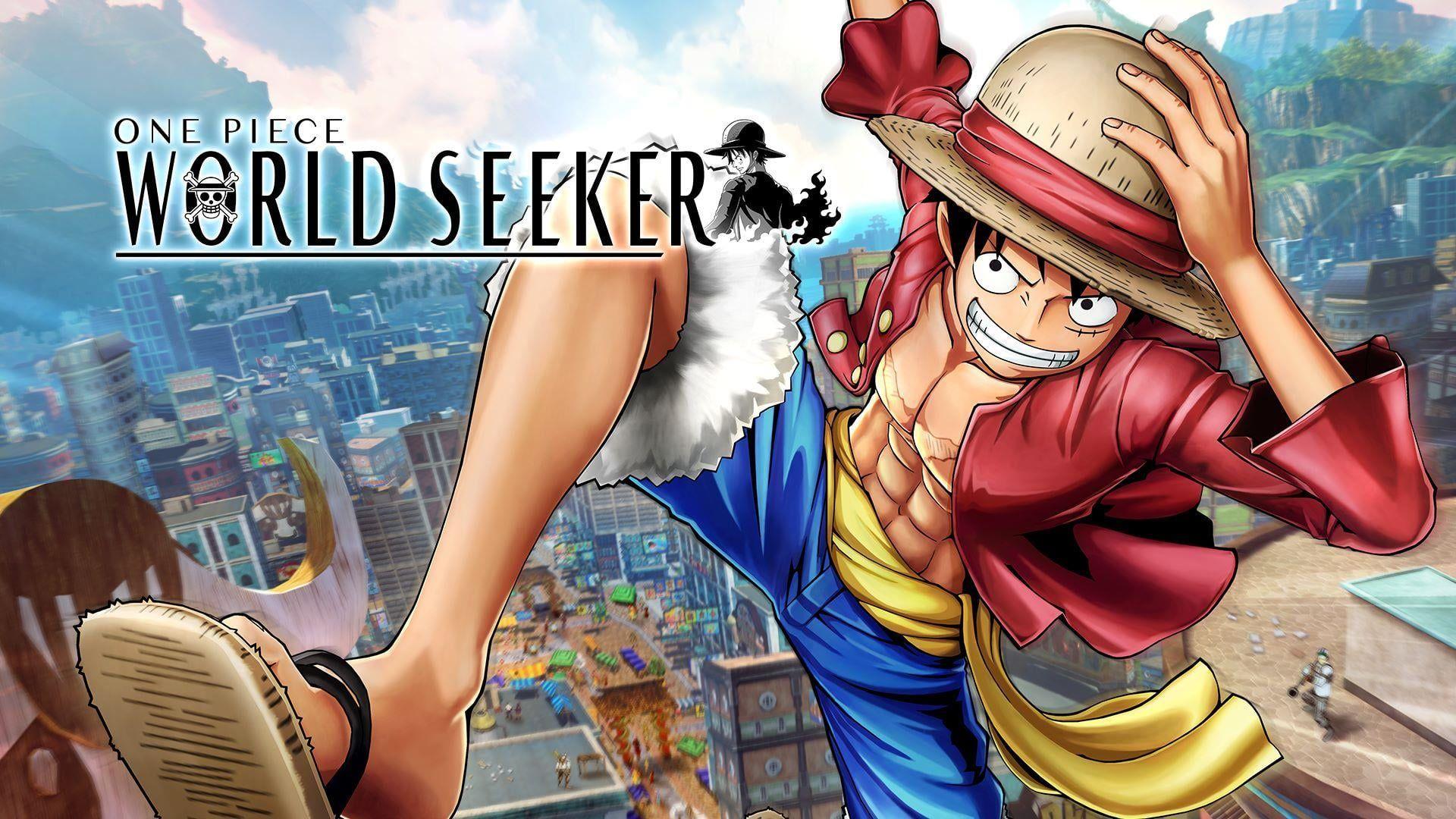
One Piece: World Seeker
- Developer: Ganbarion
- Publisher: Bandai Namco Entertainment
- Platforms: PlayStation 4, Xbox One, PC
- Release Date: 2019
- Genre: Open-world action-adventure
- Gameplay: Exploration, stealth, combat
- Narrative: Original story set in the One Piece world
- Reception: Mixed reviews, praised for ambition but criticized for execution
- Legacy: First open-world One Piece game
One Piece: Burning Blood
- Developer: Spike Chunsoft
- Publisher: Bandai Namco Entertainment
- Platforms: PlayStation 4, PlayStation Vita, Xbox One, PC
- Release Date: 2016
- Genre: Fighting game
- Gameplay: 3D fighting with Devil Fruit abilities
- Narrative: Focus on the Marineford arc
- Reception: Positive reviews, praised for combat system and fan service
- Legacy: Notable fighting game entry in the franchise
One Piece: Grand Adventure
- Developer: Ganbarion
- Publisher: Bandai Namco Entertainment
- Platforms: PlayStation 2, GameCube
- Release Date: 2006
- Genre: Fighting game
- Gameplay: 3D fighting with interactive environments
- Narrative: Adaptation of the Enies Lobby arc
- Reception: Positive reviews, praised for gameplay and content
- Legacy: Beloved by fans for its fun combat system
Mobile One Piece Games
One Piece: Treasure Cruise
- Developer: Bandai Namco Entertainment
- Publisher: Bandai Namco Entertainment
- Platforms: iOS, Android
- Release Date: 2014
- Genre: Role-playing game, puzzle game
- Gameplay: Match-3 puzzle mechanics with RPG elements
- Narrative: Adaptation of the entire manga story
- Reception: Highly successful, over 100 million downloads
- Legacy: Longest-running and most successful mobile One Piece game
One Piece: Bounty Rush
- Developer: Bandai Namco Entertainment
- Publisher: Bandai Namco Entertainment
- Platforms: iOS, Android
- Release Date: 2018
- Genre: Multiplayer online battle arena (MOBA)
- Gameplay: 4v4 battles with objective-based gameplay
- Narrative: Original story with manga elements
- Reception: Positive reviews, praised for competitive gameplay
- Legacy: Successful mobile MOBA entry
Other Mobile Games
- One Piece: Thousand Storm: Action RPG with team-based gameplay
- One Piece: Pirates’ Carnival: Party game with mini-games
- One Piece: Grand Cruise: Virtual reality experience
- Collaborative Games: One Piece characters in other mobile games
- Upcoming Releases: New mobile games in development
Gameplay Mechanics and Design
Combat Systems
- Melee Combat: Hand-to-hand fighting, swordplay
- Devil Fruit Abilities: Unique powers based on manga abilities
- Haki Integration: Observation, Armament, and Conqueror’s Haki
- Team Combat: Cooperative gameplay with multiple characters
- Boss Battles: Epic fights against major villains
Exploration and Navigation
- Linear Levels: Structured progression through story events
- Open-World Exploration: Free-roaming in large environments
- Secret Areas: Hidden locations with collectibles
- Navigation Challenges: Obstacles and puzzles to overcome
- Environmental Interaction: Using the environment in gameplay
Character Progression
- Leveling Systems: Character growth through experience points
- Skill Trees: Customizable abilities and upgrades
- Equipment Systems: Weapons, armor, and items
- Devil Fruit Awakening: Advanced abilities for Devil Fruit users
- Haki Development: Unlocking and upgrading Haki abilities
Narrative Design
- Adaptation Approach: How manga arcs are translated to games
- Original Stories: New narratives exclusive to games
- Character Interactions: Dialogues and relationships between characters
- Choices and Consequences: Player decisions affecting the story
- Cinematic Presentation: Cutscenes and storytelling techniques
Visual and Audio Design
Art Style Evolution
- 2D Sprite-Based Graphics: Early games with pixel art
- 3D Polygon Graphics: Transition to 3D models
- Cel-Shaded Animation: Modern games with anime-style graphics
- Visual Fidelity: Increasingly detailed character models and environments
- Art Direction: Maintaining consistency with the manga and anime
Audio Design
- Voice Acting: Use of original anime voice actors
- Soundtrack: Adaptations of anime music and original compositions
- Sound Effects: Authentic sounds from the series
- Atmospheric Audio: Environmental sounds and ambient music
- Audio Immersion: Creating aural environments that match the series
Technical Advancements
- Graphics Engine Evolution: Improved rendering techniques
- Frame Rate Optimization: Smooth gameplay performance
- Load Time Reduction: Faster access to game content
- Resolution and Display: Support for 4K and HDR
- Cross-Platform Development: Games released on multiple platforms
Thematic Elements in One Piece Games
Friendship and Teamwork
- Cooperative Gameplay: Working together with other characters
- Team Building: Assembling the best crew
- Support Mechanics: Characters assisting each other in battle
- Emotional Bonds: Story moments highlighting friendship
- Multiplayer Elements: Cooperative and competitive play with friends
Freedom and Adventure
- Open-World Exploration: Discovering new locations
- Side Quests: Optional adventures beyond the main story
- Secret Discoveries: Hidden treasures and collectibles
- Player Agency: Choosing how to approach challenges
- Sense of Discovery: Uncovering the world of One Piece
Justice and Morality
- Story Choices: Decisions that reflect moral values
- Villain Confrontations: Battles against oppressive forces
- Thematic Resonance: Games exploring the same themes as the manga
- Character Motivations: Understanding why characters fight
- Moral Dilemmas: Challenging decisions that test values
The Impact of One Piece Games
Fan Engagement
- Extended Universe: Expanding the One Piece world beyond manga and anime
- Interactive Storytelling: Allowing fans to participate in the story
- Character Exploration: Playing as favorite characters
- Community Building: Online multiplayer and fan communities
- Nostalgia Factor: Revisiting classic arcs in interactive form
Commercial Success
- Sales Figures: Millions of copies sold worldwide
- Revenue Generation: Significant income for Bandai Namco
- Merchandise Synergy: Games promoting other One Piece products
- Cross-Promotion: Games tied to new manga arcs and movies
- Brand Expansion: One Piece as a major gaming franchise
Industry Influence
- Anime Game Adaptations: Setting standards for manga/anime game adaptations
- Musou Game Evolution: The Pirate Warriors series’ impact on the Warriors genre
- Open-World Design: Innovations in adapting linear stories to open worlds
- Mobile Gaming: Successful transition to mobile platforms
- Crossover Potential: One Piece characters in other gaming franchises
Challenges in Game Development
Adaptation Difficulties
- Story Compression: Condensing long manga arcs into game length
- Canon vs. Original Content: Balancing faithful adaptation with new material
- Character Roster Management: Including enough characters without overwhelming players
- Power Scaling: Representing the increasing power levels of characters
- Emotional Impact: Translating emotional moments from manga to interactive form
Technical Challenges
- Hardware Limitations: Working within platform constraints
- Development Time: Creating games that release in sync with manga/anime
- Visual Consistency: Maintaining the distinctive One Piece art style
- Performance Optimization: Ensuring smooth gameplay with complex visuals
- Cross-Platform Compatibility: Releasing games across multiple platforms
Market Challenges
- Audience Expectations: Meeting the high standards of One Piece fans
- Competition: Standing out in a crowded gaming market
- Global Appeal: Adapting games for international audiences
- Monetization Strategies: Balancing profitability with fan satisfaction
- Franchise Fatigue: Avoiding over-saturating the market with too many games
The Future of One Piece Games
Upcoming Releases
- Next-Gen Console Games: Games for PlayStation 5, Xbox Series X/S
- Open-World Ambitions: More expansive open-world experiences
- Mobile Game Evolution: New mobile titles with advanced features
- Virtual Reality Experiences: Immersive VR games
- Collaborative Projects: Partnerships with other game developers
Technological Innovations
- Advanced Graphics: Realistic cel-shaded animation
- Artificial Intelligence: More intelligent enemy and ally behavior
- Physics Systems: Improved environmental interaction
- Audio Technology: Spatial audio for immersive sound
- Cloud Gaming: Streaming One Piece games to multiple devices
Gameplay Evolution
- Emergent Gameplay: Systems that create unique player experiences
- Player Choice: More meaningful decisions affecting the story
- Multiplayer Innovation: New cooperative and competitive modes
- Accessibility Features: Making games accessible to more players
- Cross-Play Functionality: Playing across different platforms
Narrative Ambitions
- Complete Story Adaptation: Games covering the entire One Piece story
- Alternative Timelines: What-if scenarios exploring different possibilities
- Character-Driven Stories: Games focused on individual characters
- Post-Canon Content: Stories set after the manga’s conclusion
- Collaborative Storytelling: Fan input influencing game narratives
Conclusion
The One Piece video game franchise has evolved significantly since its early days, growing from simple 2D action games to complex open-world experiences that capture the spirit of the manga and anime. With each new release, developers have pushed the boundaries of what’s possible, creating interactive experiences that allow fans to step into the shoes of their favorite characters and explore the Grand Line firsthand. As the One Piece manga approaches its conclusion, the future of the game franchise looks bright, with new technologies and creative approaches promising even more immersive and engaging experiences for fans around the world.
What’s your favorite One Piece game? Share your thoughts in the comments below!