One Piece's Influence on Anime and Manga: Shaping the Industry
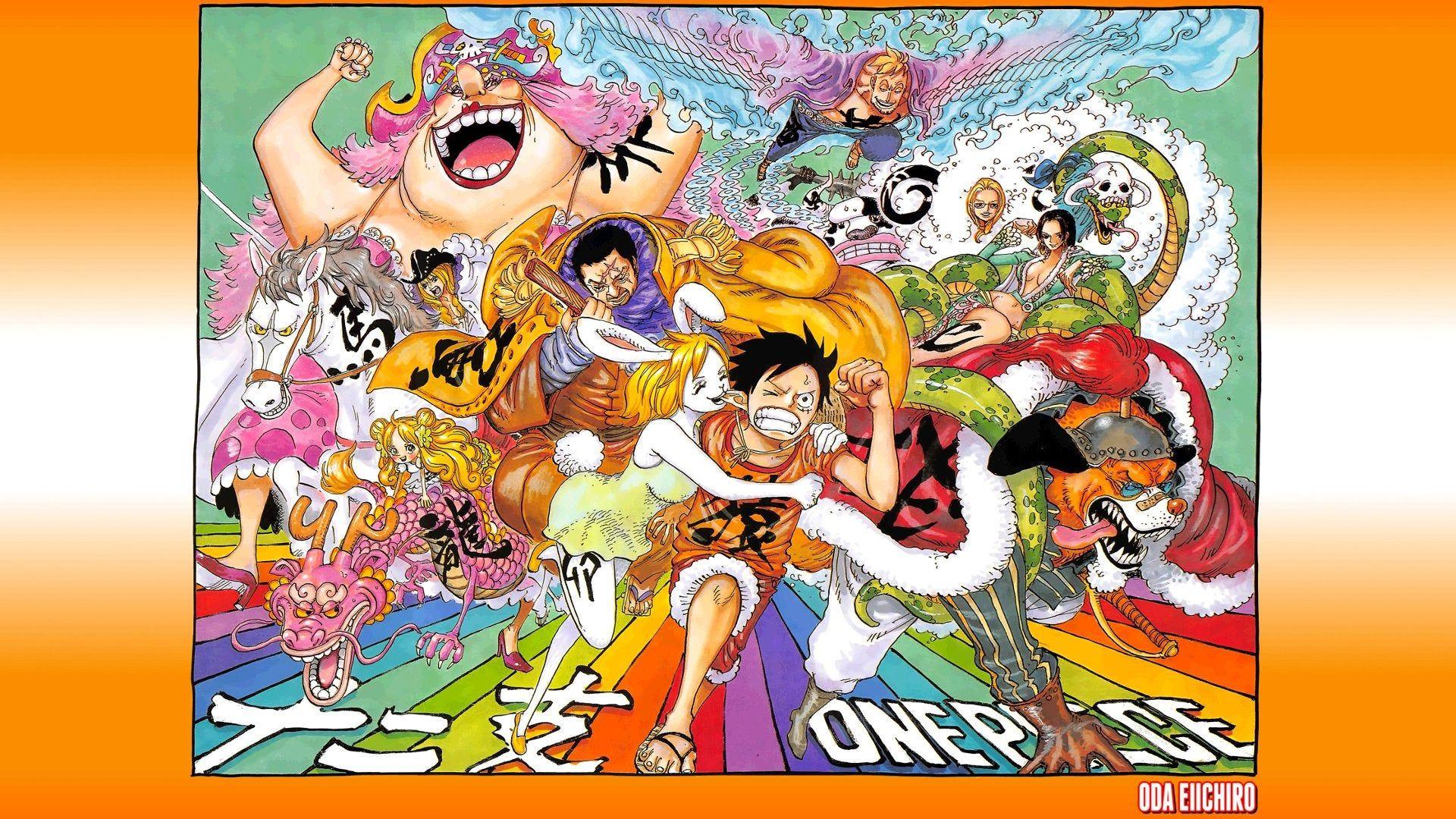
One Piece’s Role in Shaping Modern Anime and Manga
Since its debut in 1997, One Piece has not only become one of the most popular manga and anime series of all time but has also significantly influenced the entire industry. Eiichiro Oda’s creation has set new standards for storytelling, character development, and world-building, inspiring countless creators and shaping the direction of shonen manga and anime. This article provides a comprehensive analysis of One Piece’s influence on other anime and manga series, examining specific examples, thematic impacts, and the lasting legacy of Oda’s work.
The Shonen Genre Revolution
Before One Piece: The State of Shonen Manga
- Dominant Trends: Focus on action, competition, and simple character archetypes
- Story Structure: Linear narratives with clear goals
- Character Development: Limited growth, often one-dimensional characters
- World-Building: Basic settings, often confined to a single location
- Themes: Primarily focused on friendship, hard work, and victory
- Art Style: Standardized designs, less emphasis on detail
- Length: Shorter series, often concluding within 10-15 volumes
- Industry Standards: Formulaic approach to storytelling
One Piece’s Impact on Shonen Storytelling
- Epic Storytelling: Long-form narratives with complex plotlines
- Character Depth: Multi-dimensional characters with rich backstories
- World-Building: Expansive, interconnected worlds with detailed lore
- Thematic Complexity: Exploration of mature themes alongside traditional shonen elements
- Artistic Ambition: Highly detailed artwork with distinctive style
- Genre Blending: Combining action with comedy, drama, and mystery
- Emotional Depth: Powerful emotional moments that resonate with readers
- Narrative Pacing: Masterful balance of action, exposition, and character development
Modern Shonen Manga: One Piece’s Legacy
- Long-Form Series: Acceptance of longer, more complex narratives
- Character-Driven Stories: Greater focus on character development
- Expansive Worlds: Richly detailed settings with their own histories
- Thematic Maturity: Exploration of complex themes like justice, freedom, and morality
- Artistic Detail: Higher standards for artwork and visual storytelling
- Genre Hybridization: Blending multiple genres within shonen works
- Fan Engagement: Increased focus on fan theories and community interaction
- Global Appeal: Greater emphasis on international audiences
Specific Influences on Popular Anime and Manga
Naruto and Boruto
- Creator Acknowledgment: Masashi Kishimoto citing One Piece as an influence
- Story Structure: Long-form narrative with complex character arcs
- World-Building: Detailed ninja world with rich history
- Themes: Emphasis on friendship, legacy, and overcoming adversity
- Character Development: Multi-dimensional characters with tragic backstories
- Art Style: Dynamic action scenes and detailed character designs
- Emotional Beats: Powerful emotional moments similar to One Piece
- Global Success: Following One Piece’s model of international appeal
My Hero Academia
- Creator Influence: Kohei Horikoshi acknowledging One Piece’s impact
- World-Building: Expansive superhero world with its own rules
- Character Ensemble: Large cast of distinct, memorable characters
- Thematic Depth: Exploration of heroism, society, and personal growth
- Story Structure: Long-form narrative with escalating stakes
- Emotional Resonance: Heartfelt moments that echo One Piece’s emotional beats
- Fan Engagement: Encouraging fan theories and community discussion
- Merchandising Strategy: Following One Piece’s model of extensive merchandise
Demon Slayer: Kimetsu no Yaiba
- Visual Style: Detailed artwork inspired by One Piece’s attention to detail
- Character Design: Distinctive, memorable character designs
- Emotional Storytelling: Focus on family and friendship similar to One Piece
- World-Building: Richly detailed historical setting
- Action Sequences: Dynamic fight scenes with creative abilities
- Thematic Elements: Exploration of redemption and overcoming tragedy
- Global Appeal: Achieving international success following One Piece’s model
- Adaptation Quality: High-quality anime adaptation similar to One Piece’s production values
Jujutsu Kaisen
- Story Structure: Complex narrative with multiple plot threads
- Character Development: Multi-dimensional characters with conflicting motivations
- World-Building: Detailed supernatural world with its own rules
- Thematic Depth: Exploration of morality, sacrifice, and power
- Action Design: Creative, visually stunning fight scenes
- Humor Integration: Balancing comedy with serious moments
- Fan Interaction: Encouraging fan engagement through social media
- Merchandise Strategy: Extensive merchandise line following One Piece’s model
Other Influenced Series
- Black Clover: Friendship themes and underdog protagonist
- Fairy Tail: Ensemble cast and adventure-focused narrative
- Attack on Titan: Complex world-building and moral ambiguity
- Hunter x Hunter: Strategic battles and character-driven storytelling
- Tokyo Ghoul: Exploration of identity and moral conflict
- Blue Exorcist: Themes of family and overcoming adversity
- Fire Force: Blending action with supernatural elements
- Dr. Stone: Focus on science and rebuilding civilization
- Promised Neverland: Strategic storytelling and tense narrative
- Chainsaw Man: Unique character designs and dark humor
Thematic and Narrative Influences
Friendship and Camaraderie
- Found Family Trope: Adoption of One Piece’s “found family” concept
- Crew Dynamics: Focus on group cohesion and teamwork
- Loyalty Themes: Exploration of loyalty in the face of adversity
- Sacrifice for Friends: Characters willing to sacrifice for their companions
- Emotional Bonds: Deeply developed relationships between characters
- Team Growth: Groups evolving together through shared experiences
- Conflict Resolution: Friends resolving differences through communication
- Support Systems: Characters relying on each other during difficult times
Adventure and Exploration
- Journey as Metaphor: Using physical journeys to represent personal growth
- Discovery Themes: Emphasis on exploration and discovery
- World Exploration: Characters traveling to diverse locations
- Cultural Diversity: Representation of different cultures within fictional worlds
- Mystery Elements: Uncovering secrets about the world
- Map-Based Storytelling: Journeys plotted on maps similar to One Piece’s Grand Line
- Environmental Storytelling: Using locations to tell stories about the world
- Adventure as Lifestyle: Characters embracing the adventure itself
Morality and Justice
- Moral Ambiguity: Exploration of gray areas between good and evil
- Questioning Authority: Characters challenging unjust systems
- Personal Justice: Characters defining their own sense of justice
- Systemic Inequality: Addressing issues of oppression and inequality
- Redemption Arcs: Villains finding redemption through personal growth
- Consequences of Actions: Characters facing the results of their choices
- Ethical Dilemmas: Characters forced to make difficult moral choices
- Social Commentary: Using fiction to comment on real-world issues
Power and Responsibility
- Power Scaling: Careful management of character power levels
- Responsibility of Power: Characters learning to use power wisely
- Power as a Double-Edged Sword: Exploration of power’s negative consequences
- Growth Through Adversity: Characters becoming stronger through challenges
- Training Arcs: Periods of focused training to develop skills
- Power Systems: Unique, well-defined systems of power
- Limitations of Power: Characters facing the limits of their abilities
- Power as Representation: Power reflecting character personalities
Artistic and Visual Influences
Character Design
- Distinctive Silhouettes: Characters with recognizable outlines
- Expressive Features: Over-the-top facial expressions for comedic effect
- Visual Symbolism: Character designs reflecting their personalities or powers
- Costume Design: Unique, memorable outfits that evolve with characters
- Physical Diversity: Characters with varied body types and appearances
- Age Representation: Characters at different stages of life
- Gender Expression: Diverse representations of gender
- Visual Consistency: Maintaining consistent character designs across media
Action Scene Choreography
- Dynamic Pacing: Action scenes with varying speeds and intensities
- Creative Abilities: Unique, visually interesting powers and techniques
- Environmental Interaction: Characters using their surroundings in battles
- Strategic Fighting: Battles won through intelligence rather than brute force
- Emotional Stakes: Action scenes with meaningful consequences
- Panel Layout: Creative use of panels to enhance action in manga
- Animation Techniques: Fluid movement and dynamic camera angles in anime
- Power Scaling: Visual representation of increasing power levels
World Design
- Geographic Diversity: Worlds with varied landscapes and climates
- Cultural Influences: Fictional cultures inspired by real-world traditions
- Architectural Variety: Distinctive buildings and structures
- Natural Wonders: Unique, memorable locations with visual impact
- Environmental Storytelling: Locations that reveal information about the world
- Map Design: Detailed, visually interesting maps
- Iconic Locations: Memorable places that become part of the series’ identity
- Consistent World Rules: Worlds that operate according to established rules
Visual Storytelling
- Panel Composition: Creative use of manga panels to convey emotion
- Page Turns: Strategic use of page turns for dramatic effect
- Visual Metaphors: Symbolic imagery to represent themes
- Color Psychology: Use of color to convey mood and emotion
- Lighting Techniques: Creative lighting to enhance scenes
- Background Detail: Richly detailed backgrounds that add depth
- Visual Humor: Comedy through visual gags and expressions
- Silent Panels: Powerful moments conveyed without dialogue
Industry-Wide Impact
Publishing and Distribution
- Serialization Models: Longer serialization runs for successful series
- Manga Sales Strategies: Focus on volume sales and collector’s editions
- International Licensing: Greater emphasis on global distribution
- Digital Manga: Expansion of digital publishing platforms
- Print Quality: Higher standards for paper and printing
- Collector’s Editions: Special editions with extra content
- Box Sets: Collection of volumes in attractive packaging
- Merchandise Tie-Ins: Coordinated releases with merchandise
Anime Adaptation Standards
- Production Values: Higher budgets for anime adaptations
- Long-Term Adaptations: Commitment to adapting entire manga series
- Voice Acting Quality: Greater emphasis on skilled voice actors
- Animation Quality: Improved animation techniques and consistency
- Music Integration: High-quality soundtracks with famous composers
- Cinematography: More sophisticated camera work and editing
- Blu-ray Releases: Premium home video releases with extra content
- International Dubbing: High-quality dubs for global audiences
Marketing and Fan Engagement
- Fan Events: Large-scale conventions and promotional events
- Social Media Strategy: Active engagement with fans online
- Fan Theories: Encouragement of fan speculation and discussion
- Cross-Media Promotion: Coordinated marketing across manga, anime, and merchandise
- Collaborations: Partnerships with other brands and franchises
- Digital Marketing: Targeted online advertising and promotions
- Fan Art Contests: Encouraging fan creativity
- Community Building: Fostering a sense of community among fans
Creator Relationships
- Mentorship: Established creators guiding newcomers
- Creator Collaboration: Joint projects and crossover events
- Industry Camaraderie: Friendly relationships between creators
- Public Appearances: Creators engaging with fans at events
- Interviews and Insights: Creators sharing their creative processes
- Influence Acknowledgment: Open discussion of creative influences
- Supportive Environment: Industry support for innovative ideas
- Legacy Building: Creators thinking about their long-term impact
One Piece’s Influence on Creators
Creator Testimonials
- Eiichiro Oda’s Impact: Direct quotes from creators about One Piece’s influence
- Creative Inspiration: How One Piece inspired creators to pursue their own work
- Professional Advice: Lessons learned from Oda’s work ethic and approach
- Artistic Growth: How studying One Piece improved creators’ skills
- Career Motivation: One Piece as a motivating factor in creators’ careers
- Creative Confidence: Encouragement to take risks in storytelling
- Industry Respect: Admiration for Oda’s professionalism and dedication
- Personal Connection: Creators’ emotional responses to One Piece
Creative Processes Inspired by Oda
- Work Ethic: Adopting Oda’s rigorous schedule and dedication
- World-Building Techniques: Methods for creating detailed fictional worlds
- Character Development: Approaches to creating multi-dimensional characters
- Plot Planning: Techniques for long-term narrative planning
- Visual Storytelling: Methods for conveying story through art
- Thematic Exploration: Ways to incorporate complex themes into stories
- Fan Engagement: Strategies for building and maintaining a fan base
- Adaptation Considerations: Planning for potential anime adaptations
Mentorship and Legacy
- Creator Workshops: Experienced creators sharing knowledge with newcomers
- Industry Panels: Discussions about One Piece’s impact on the industry
- Educational Resources: One Piece as a case study in storytelling
- Creative Communities: Groups of creators inspired by One Piece
- Legacy Projects: Works explicitly created as tributes to One Piece
- Intergenerational Influence: Creators influencing the next generation
- Creative DNA: One Piece’s elements becoming part of the industry’s creative vocabulary
- Enduring Impact: One Piece’s influence continuing beyond its conclusion
The Future of One Piece’s Influence
Continued Impact on New Series
- Emerging Talent: New creators influenced by One Piece
- Evolving Tropes: One Piece’s elements being reinterpreted for new audiences
- Genre Blending: One Piece’s approach inspiring new genre combinations
- Global Creators: International creators drawing inspiration from One Piece
- Digital Media: One Piece’s influence on webtoons and digital-first manga
- Animation Innovation: One Piece’s techniques inspiring new animation methods
- Interactive Media: One Piece’s storytelling influencing video games and other media
- Cross-Cultural Exchange: One Piece facilitating creative exchange between cultures
One Piece’s Legacy After Conclusion
- Post-Series Influence: One Piece continuing to inspire creators after its end
- Remakes and Adaptations: New interpretations of One Piece
- Creative Homage: Works explicitly referencing One Piece
- Industry Standards: One Piece’s approach becoming standard practice
- Educational Value: One Piece being studied in academic settings
- Cultural Preservation: One Piece’s place in anime and manga history
- Fan-Created Content: Continued production of fan works inspired by One Piece
- Global Cultural Impact: One Piece’s influence on global popular culture
The Next Generation of Shonen Manga
- Evolving Standards: New benchmarks for storytelling and art
- Diverse Voices: Greater representation of diverse creators
- Global Collaboration: International teams creating manga and anime
- Technological Integration: New technologies enhancing storytelling
- Audience Engagement: More interactive forms of fan participation
- Thematic Evolution: Exploration of new themes relevant to modern audiences
- Artistic Innovation: New visual styles and techniques
- Industry Adaptation: The anime and manga industry evolving to meet new challenges
Conclusion
One Piece’s influence on the anime and manga industry is immeasurable. Through its epic storytelling, complex characters, and rich world-building, Eiichiro Oda’s masterpiece has set new standards for what a shonen series can achieve. Its impact can be seen in countless subsequent series, from Naruto and My Hero Academia to Demon Slayer and Jujutsu Kaisen, each carrying elements of One Piece’s DNA while adding their own unique twists. As One Piece approaches its conclusion, its legacy is already secure, having shaped the industry in ways that will be felt for generations to come. The series has not only entertained millions of fans worldwide but has also inspired a new generation of creators to push the boundaries of storytelling and create works that resonate with audiences across cultures and borders.
What anime or manga do you think has been most influenced by One Piece? Share your thoughts in the comments below!