One Piece Merchandise Analysis: The Economics of the Grand Line
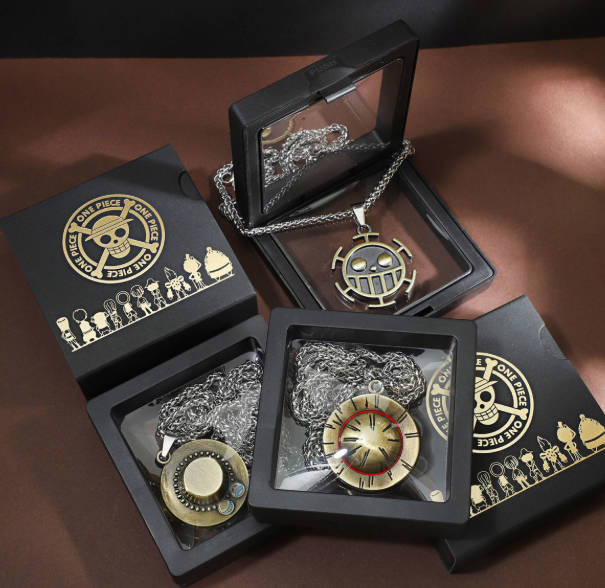
The Merchandise Empire of One Piece
One Piece has evolved from a popular manga and anime into a global merchandise empire, with products ranging from action figures and clothing to household items and luxury goods. The franchise’s merchandise has become a significant part of its economic success, generating billions of dollars in revenue annually. This article provides a comprehensive analysis of the One Piece merchandise empire, examining its evolution, most popular product categories, and impact on global consumer culture.
Evolution of One Piece Merchandise
Early Merchandise (1997-2002)
- Product Range: Basic items like keychains, stickers, and simple toys
- Distribution: Primarily in Japan, limited international availability
- Licensing Strategy: Focused on core products with few licensing partners
- Quality: Basic manufacturing, limited detail
- Collectibility: Limited edition items but minimal collector focus
Growth Period (2003-2010)
- Product Range: Expansion into action figures, clothing, and home goods
- Distribution: Increased international availability
- Licensing Strategy: More strategic partnerships with established brands
- Quality: Improved manufacturing techniques, better detail
- Collectibility: Introduction of limited edition and exclusive items
Global Expansion (2011-Present)
- Product Range: Comprehensive lineup including luxury goods, collaborations, and experiential merchandise
- Distribution: Worldwide availability through multiple channels
- Licensing Strategy: Extensive partnerships with global brands
- Quality: Premium manufacturing, highly detailed products
- Collectibility: Sophisticated collector market with investment-grade items
Key Merchandise Categories
Action Figures and Statues
- Basic Figures: Mass-market action figures for children
- Premium Figures: Highly detailed statues for collectors
- Scale Models: Accurate scale representations of characters and ships
- Nendoroids: Chibi-style figures with interchangeable parts
- Limited Editions: Exclusive figures with unique features
- Market Size: Billions of dollars in annual sales
- Collectibility: High value retention and appreciation
- Key Manufacturers: Bandai, Megahouse, Banpresto
Clothing and Fashion
- Casual Wear: T-shirts, hoodies, and sweatpants
- Streetwear: Urban fashion collaborations
- Formal Wear: Limited edition suits and dresses
- Accessories: Hats, bags, jewelry, and watches
- Footwear: Shoes, sneakers, and sandals
- Market Size: Significant portion of merchandise revenue
- Collaborations: Partnerships with major fashion brands
- Global Appeal: Clothing adapted for different markets
Home Goods and Decor
- Bedding: Sheets, comforters, and pillows
- Kitchenware: Plates, mugs, and utensils
- Furniture: Chairs, tables, and storage solutions
- Wall Art: Posters, prints, and murals
- Home Accessories: Lamps, clocks, and decorative items
- Market Size: Growing segment of the merchandise lineup
- Functional Design: Items that are both decorative and useful
- Interior Styling: One Piece themed room designs
Toys and Games
- Board Games: One Piece themed tabletop games
- Card Games: Trading card games and collectible card games
- Puzzle Games: Jigsaw puzzles and brain teasers
- Outdoor Toys: Beach toys and sporting goods
- Role-Playing Toys: Playsets and cosplay items
- Market Size: Popular with younger fans
- Educational Value: Games that teach strategy and teamwork
- Family Appeal: Products that appeal to both children and parents
Digital Merchandise
- Digital Collectibles: NFTs and other digital items
- Virtual Goods: Items for online games and virtual worlds
- Digital Art: Limited edition digital artwork
- Streaming Content: Exclusive behind-the-scenes material
- Mobile App Purchases: In-app items for One Piece mobile games
- Market Size: Emerging segment with significant growth potential
- Technological Innovation: Leveraging blockchain and other新技术
- Global Accessibility: Digital items available worldwide
Luxury and High-End Merchandise
Premium Collaborations
- Fashion Houses: Partnerships with luxury brands like Gucci and Louis Vuitton
- Automotive: One Piece themed cars and accessories
- Jewelry: High-end watches and fine jewelry
- Technology: Limited edition smartphones and gadgets
- Home Appliances: Premium kitchen and household appliances
- Market Strategy: Positioning One Piece as a luxury brand
- Exclusivity: Limited quantities and high price points
- Brand Synergy: Combining One Piece’s popularity with luxury brand prestige
Limited Edition Collectibles
- Anniversary Items: Special products for series milestones
- Movie Tie-Ins: Merchandise tied to theatrical releases
- Event Exclusives: Items available only at specific events
- Collaboration Exclusives: Products from brand partnerships
- Investment Grade: Items designed for serious collectors
- Secondary Market: High resale value for rare items
- Authentication: Certificates of authenticity for premium items
- Packaging: Elaborate packaging for collectible items
The Economics of One Piece Merchandise
Revenue Generation
- Total Revenue: Billions of dollars annually
- Revenue Breakdown: Percentage from different product categories
- Growth Rate: Consistent year-over-year growth
- Profit Margins: Higher margins on premium items
- Revenue Streams: Direct sales, licensing fees, and royalties
- Economic Impact: Significant contribution to Bandai Namco’s revenue
- Job Creation: Employment in manufacturing, distribution, and retail
- Supply Chain: Complex network of suppliers and manufacturers
Global Market Distribution
- Japanese Market: Largest single market for merchandise
- North America: Significant market with growing demand
- Europe: Strong market with established distribution
- Asia-Pacific: Rapidly growing market outside Japan
- Latin America: Emerging market with increasing penetration
- Middle East and Africa: Developing market with potential
- Regional Adaptations: Products tailored to local tastes and preferences
- Cultural Sensitivity: Merchandise adapted for different cultural contexts
Consumer Behavior Analysis
- Demographic Profile: Age, gender, and income of merchandise consumers
- Purchase Motivations: Reasons fans buy One Piece merchandise
- Brand Loyalty: Repeat purchases and brand commitment
- Collecting Behavior: Completionist vs. selective collecting
- Price Sensitivity: Consumer response to different price points
- Impulse Purchases: Unplanned buys driven by fandom
- Gift Purchases: Merchandise bought as gifts for other fans
- Digital vs. Physical: Preference for physical items vs. digital merchandise
Marketing and Distribution Strategies
Licensing Strategy
- Selective Licensing: Careful selection of licensing partners
- Quality Control: Strict standards for licensed products
- Brand Guidelines: Comprehensive guidelines for licensees
- Exclusivity Arrangements: Limited licenses for premium products
- Renewal Process: Regular review of licensing agreements
- Global Coordination: Consistent licensing across different regions
- Anti-Counterfeiting: Measures to protect intellectual property
- Revenue Optimization: Maximizing returns from licensing agreements
Distribution Channels
- Official Stores: One Piece themed retail locations
- Mass Retailers: Large chain stores and supermarkets
- Specialty Stores: Anime and manga specialty shops
- Online Retail: Official websites and e-commerce platforms
- Social Media Commerce: Sales through social media platforms
- Pop-Up Shops: Temporary retail locations for special events
- Theme Park Stores: Merchandise outlets at theme parks
- Global Distribution Network: Supply chain spanning multiple continents
Promotional Strategies
- Anniversary Campaigns: Marketing pushes for series milestones
- Movie Tie-Ins: Promotions coordinated with theatrical releases
- Seasonal Campaigns: Holiday-themed merchandise and promotions
- Collaboration Launches: Events for brand partnerships
- Influencer Marketing: Partnerships with social media influencers
- Fan Events: Merchandise launches at conventions and gatherings
- Digital Marketing: Social media campaigns and online advertising
- Traditional Marketing: Print ads, television commercials, and billboards
The Impact of Merchandise on the One Piece Brand
Brand Extension
- Cross-Media Presence: One Piece in multiple consumer product categories
- Brand Consistency: Maintaining a unified brand image across products
- Brand Recognition: Increased visibility through merchandise
- Brand Loyalty: Strengthening fan attachment through physical products
- Brand Evolution: Merchandise adapting to changing trends
- Global Brand: One Piece as a recognized brand worldwide
- Cultural Impact: Merchandise as a form of cultural expression
- Generational Appeal: Merchandise for fans of all ages
Fan Engagement
- Tangible Connection: Physical items that connect fans to the series
- Community Building: Merchandise as a conversation starter among fans
- Expression of Fandom: Wearing or displaying One Piece merchandise
- Collecting Communities: Groups of fans who collect specific items
- Fan Events: Merchandise exchanges and trading at conventions
- Social Media Sharing: Fans showcasing their collections online
- Fan Creativity: Customizing and modifying official merchandise
- Emotional Attachment: Sentimental value of merchandise items
Economic Sustainability
- Revenue Diversification: Reducing reliance on manga and anime alone
- Long-Term Revenue: Steady income from merchandise sales
- Resilience: Merchandise sales continuing even during gaps in content releases
- Global Market Access: Revenue from markets where manga/anime may have limited reach
- Brand Value: Merchandise contributing to One Piece’s overall brand valuation
- Future Growth: Potential for new merchandise categories and markets
- Investment in Content: Merchandise revenue funding new anime and manga
- Economic Stability: Consistent revenue stream for the franchise
Challenges in Merchandise Development
Counterfeiting
- Prevalence: Widespread fake One Piece merchandise
- Economic Impact: Lost revenue for legitimate businesses
- Quality Issues: Inferior products damaging brand reputation
- Legal Enforcement: Efforts to combat counterfeiters
- Consumer Education: Helping fans identify genuine products
- Technology Solutions: Anti-counterfeiting measures like holograms and QR codes
- Global Cooperation: International efforts to stop counterfeiting
- Market Protection: Safeguarding legitimate merchandise sellers
Market Saturation
- Product Overload: Too many similar merchandise items
- Consumer Fatigue: Fans overwhelmed by choices
- Quality Dilution: Pressure to release products quickly
- Innovation Challenges: Creating new and exciting merchandise
- Market Segmentation: Targeting specific fan demographics
- Limited Editions: Using scarcity to maintain interest
- Fresh Designs: Regularly updating merchandise aesthetics
- Strategic Releases: Coordinating product launches with content releases
Cultural Adaptation
- Regional Preferences: Adapting merchandise for different markets
- Cultural Sensitivity: Avoiding designs that may be offensive in certain cultures
- Language Localization: Merchandise with region-specific text
- Size Standards: Clothing and other items tailored to regional sizes
- Packaging Adaptation: Packaging designed for different markets
- Pricing Strategy: Adapting prices for different economic contexts
- Distribution Challenges: Reaching remote or underserved markets
- Local Partnerships: Working with regional companies for better market access
The Future of One Piece Merchandise
Emerging Trends
- Sustainable Merchandise: Eco-friendly products made from recycled materials
- Smart Merchandise: Items with embedded technology
- Personalization: Customizable merchandise with fan input
- Experiential Merchandise: Products that offer unique experiences
- Augmented Reality: Merchandise with AR features
- Subscription Services: Monthly or quarterly merchandise boxes
- Collaborative Design: Fans contributing to merchandise design
- Global Citizenship: Merchandise that supports charitable causes
Technological Innovations
- 3D Printing: Customizable merchandise made on demand
- Blockchain Technology: Authenticating and tracking collectibles
- Virtual Reality: Virtual merchandise showrooms and experiences
- Artificial Intelligence: Personalized merchandise recommendations
- Internet of Things: Connected merchandise with smart features
- Advanced Materials: New fabrics and materials for clothing and accessories
- Manufacturing Automation: More efficient production processes
- Supply Chain Technology: Improved tracking and delivery systems
Global Expansion
- Untapped Markets: Expanding into new regions
- Localization Strategies: Better adapting products for local markets
- E-Commerce Growth: Increasing online sales in developing markets
- Physical Retail: Opening more One Piece themed stores worldwide
- Cultural Exchange: Merchandise that bridges different cultures
- Global Collaborations: Partnerships with international brands
- Tourism Integration: Merchandise tied to travel destinations
- Digital Accessibility: Making merchandise available globally through digital channels
Conclusion
One Piece merchandise has evolved from simple toys and accessories to a global empire spanning multiple product categories, including luxury goods and digital items. The merchandise not only generates significant revenue but also strengthens fan engagement and extends the One Piece brand into new markets. As the series approaches its conclusion, the merchandise line shows no signs of slowing down, with new products, collaborations, and technologies continuing to drive growth. The future of One Piece merchandise looks bright, with innovative products and strategies ensuring that the franchise remains a dominant force in the global marketplace for years to come.
What’s your favorite One Piece merchandise item? Share your thoughts in the comments below!