One Piece Music and Soundtrack: The Melodies of Adventure
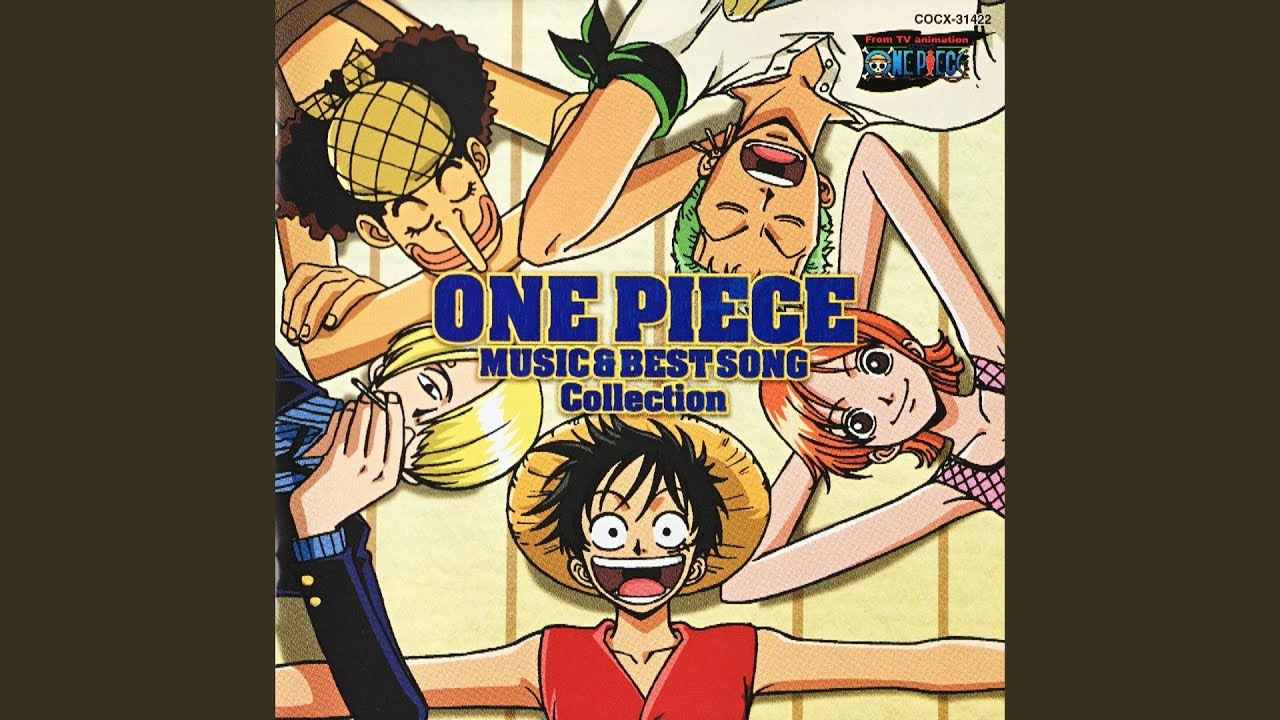
The Melodic Journey of One Piece
Music plays a crucial role in the One Piece experience, enhancing emotional moments, building tension, and creating unforgettable memories for fans. From the iconic opening themes to the emotional character themes, the soundtrack of One Piece is an integral part of its success. This article will explore the music and soundtrack of One Piece, from its earliest days to the present.
The Composers Behind the Music
Shiro Hamaguchi:
- Early Years: Composed music for the first 206 episodes
- Style: Orchestral arrangements with a sense of adventure
- Notable Works: “We Are!” orchestral version, various character themes
- Legacy: Established the musical foundation of One Piece
- Collaborations: Worked with other composers on later projects
Kohei Tanaka:
- Current Composer: Took over from episode 207 onwards
- Style: Versatile, blending orchestral with modern elements
- Notable Works: “Over the Top”, “Fight Together”, various battle themes
- Collaborations: Worked with various artists for opening and ending themes
- Impact: Continued and expanded the musical legacy of One Piece
Other Contributors:
- Opening Theme Artists: Various J-pop and rock bands
- Ending Theme Artists: Diverse range of musical styles
- Sound Designers: Created the sound effects that complement the music
- Music Producers: Oversaw the overall sound of the series
- Voice Actors: Contributed to character songs
The Opening Themes
“We Are!” (1999-2002):
- Artist: Hiroshi Kitadani
- Impact: Became the iconic theme song of One Piece
- Lyrics: Emphasized adventure and friendship
- Arrangement: Upbeat and energetic
- Legacy: Revisited multiple times throughout the series
“Believe” (2002-2003):
- Artist: Folder5
- Style: More pop-oriented than “We Are!”
- Lyrics: Focused on belief in oneself and friends
- Popularity: Became a fan favorite
- Legacy: Remembered as one of the best opening themes
“Hikari e” (2003-2004):
- Artist: The Babystars
- Style: Rock-inspired with a positive message
- Lyrics: About moving towards the light
- Emotional Impact: Captured the spirit of adventure
- Legacy: A memorable theme from the early days
“Bon Voyage!” (2004-2005):
- Artist: Bon-Bon Blanco
- Style: Upbeat and cheerful
- Lyrics: About friendship and journeying together
- Catchiness: One of the most memorable openings
- Legacy: Associated with the Water 7 arc
“Kokoro no Chizu” (2005-2006):
- Artist: Boystyle
- Style: Pop with a sense of determination
- Lyrics: About following one’s heart
- Emotional Resonance: Connected with the Enies Lobby arc
- Legacy: Remembered for its emotional impact
“Brand New World” (2006-2007):
- Artist: D-51
- Style: Upbeat and optimistic
- Lyrics: About discovering new worlds
- Connection to the Story: Timed with the Thriller Bark arc
- Legacy: A positive and energetic theme
“We Are! (Remix)” (2007-2008):
- Artist: TVXQ
- Style: Updated version of the original theme
- Impact: Brought back the iconic theme for new audiences
- Popularity: Well-received by fans
- Legacy: Celebrated the series’ longevity
“Share the World” (2009-2010):
- Artist: TVXQ
- Style: Modern J-pop with anthemic qualities
- Lyrics: About sharing the world with friends
- Connection to the Story: Timed with the Summit War arc
- Legacy: Associated with one of the series’ most emotional arcs
“Kaze o Sagashite” (2010-2011):
- Artist: YUI
- Style: More introspective than previous openings
- Lyrics: About searching for the wind
- Emotional Impact: Captured the post-war mood
- Legacy: A more mature theme for a more mature phase of the series
“One Day” (2011-2012):
- Artist: The Rootless
- Style: Rock-inspired with a sense of determination
- Lyrics: About waiting for the day when dreams come true
- Connection to the Story: Timed with the Fish-Man Island arc
- Legacy: Remembered for its emotional depth
Recent Opening Themes:
- “Wake Up!” (2012-2014): Artist: AAA
- “Hands Up!” (2014-2016): Artist: Kishidan
- “Hard Knock Days” (2016-2017): Artist: GENERATIONS from EXILE TRIBE
- “Overtake” (2017-2019): Artist: V6
- “We Are! (20th Anniversary)” (2019): Artist: Hiroshi Kitadani
- “Dreamin’ On” (2019-2021): Artist: Da-iCE
- “Raise Your Flag” (2021-2022): Artist: AKLO
- “ONE PIECE FILM RED Opening” (2022): Artist: Ado
The Ending Themes
“Memories” (1999-2000):
- Artist: Maki Otsuki
- Style: Gentle and nostalgic
- Lyrics: About cherishing memories
- Emotional Impact: Captured the sentimental side of One Piece
- Legacy: One of the most beloved ending themes
“Run! Run! Run!” (2000-2001):
- Artist: Masaharu Fukuyama
- Style: Upbeat and energetic
- Lyrics: About running towards the future
- Contrast: Provided a lively end to episodes
- Legacy: Remembered for its positive message
“Watashi ga Iru Yo” (2001-2002):
- Artist: TOMATO CUBE
- Style: Soft and emotional
- Lyrics: About being there for someone
- Emotional Resonance: Connected with character relationships
- Legacy: A touching theme about friendship
“Shining Ray” (2002-2003):
- Artist: Janne Da Arc
- Style: Rock-inspired with a positive message
- Lyrics: About shining brightly
- Popularity: Became a fan favorite
- Legacy: Associated with the Alabasta arc
“Free Will” (2003-2004):
- Artist: Ruppina
- Style: Pop with a sense of freedom
- Lyrics: About following one’s free will
- Connection to the Story: Timed with the Skypeia arc
- Legacy: A theme about independence and freedom
Recent Ending Themes:
- “A to Z” (2009-2010): Artist: zz
- “Kimi no Soba ni Iru yo” (2010-2011): Artist: ROOT FIVE
- “Fight Together” (2011): Artist:安室奈美恵
- “Eternal Pose” (2011-2012): Artist: Shela
- “Mirai Koukai” (2012-2013): Artist: Sekai no Owari
- “Wadatsumi” (2013-2014): Artist: The Babystars
- “Asuiro Clear Sky” (2014-2015): Artist: OKAMOTO’S
- “Hope” (2015-2016): Artist: Namie Amuro
The Character Themes
Luffy’s Theme:
- Style: Upbeat and adventurous
- Instruments: Brass and percussion for energy
- Emotional Range: Can shift from playful to determined
- Appearances: Plays during Luffy’s most iconic moments
- Variations: Different arrangements for different situations
Zoro’s Theme:
- Style: Serious and determined
- Instruments: Strings and woodwinds
- Emotional Impact: Conveys Zoro’s dedication and strength
- Appearances: Plays during Zoro’s battles and key moments
- Variations: More intense during battles, more reflective during emotional moments
Nami’s Theme:
- Style: Light and playful, with moments of sadness
- Instruments: Piano and woodwinds
- Emotional Range: Captures Nami’s personality and backstory
- Appearances: Plays during Nami’s scenes
- Variations: More emotional during moments related to her past
Sanji’s Theme:
- Style: Smooth and suave
- Instruments: Jazz-inspired, with saxophone
- Emotional Impact: Conveys Sanji’s chivalrous nature
- Appearances: Plays during Sanji’s scenes, especially those involving women
- Variations: More intense during battles, more romantic during character moments
Chopper’s Theme:
- Style: Cute and playful
- Instruments: Light orchestration with bells
- Emotional Impact: Captures Chopper’s innocence and cuteness
- Appearances: Plays during Chopper’s scenes
- Variations: More emotional during moments of sadness or determination
Robin’s Theme:
- Style: Mysterious and elegant
- Instruments: Harp and strings
- Emotional Impact: Conveys Robin’s intelligence and tragic past
- Appearances: Plays during Robin’s scenes, especially those involving her past
- Variations: More hopeful after Enies Lobby
Franky’s Theme:
- Style: Energetic and mechanical
- Instruments: Brass and electronic elements
- Emotional Impact: Captures Franky’s enthusiasm and cyborg nature
- Appearances: Plays during Franky’s scenes
- Variations: More emotional during moments related to Tom or the Going Merry
Brook’s Theme:
- Style: Melancholic and musical
- Instruments: Violin and piano
- Emotional Impact: Conveys Brook’s loneliness and love of music
- Appearances: Plays during Brook’s scenes, especially when he plays his violin
- Variations: More upbeat when he’s telling jokes or playing lively music
Jinbe’s Theme:
- Style: Regal and authoritative
- Instruments: Brass and traditional Japanese elements
- Emotional Impact: Conveys Jinbe’s sense of duty and honor
- Appearances: Plays during Jinbe’s scenes
- Variations: More emotional during moments related to Fish-Man Island or his past
The Battle Themes
General Battle Theme:
- Style: Intense and energetic
- Instruments: Brass, percussion, and strings
- Purpose: Build tension during fights
- Variations: Different arrangements for different types of battles
- Impact: Makes battles more exciting for viewers
Luffy’s Battle Theme:
- Style: Upbeat and determined
- Instruments: Brass and percussion
- Purpose: Highlight Luffy’s fighting spirit
- Variations: More intense as battles progress
- Impact: Makes Luffy’s battles feel epic
Zoro’s Battle Theme:
- Style: Serious and intense
- Instruments: Strings and percussion
- Purpose: Highlight Zoro’s skill and determination
- Variations: More dramatic during sword fights
- Impact: Makes Zoro’s battles feel intense and personal
Sanji’s Battle Theme:
- Style: Fast-paced and dynamic
- Instruments: Brass and woodwinds
- Purpose: Highlight Sanji’s speed and agility
- Variations: More rhythmic during his kick-based fights
- Impact: Makes Sanji’s battles feel energetic
Boss Battle Themes:
- Style: Epic and menacing
- Instruments: Full orchestra
- Purpose: Convey the threat of powerful opponents
- Variations: Different themes for different types of villains
- Impact: Makes boss battles feel significant
The Emotional Themes
Sad Themes:
- Style: Melancholic and emotional
- Instruments: Piano, strings, and woodwinds
- Purpose: Convey sadness and loss
- Appearances: Plays during character deaths, separations, and tragic moments
- Impact: Makes emotional moments more powerful
Hope Themes:
- Style: Uplifting and inspirational
- Instruments: Strings and brass
- Purpose: Convey hope and optimism
- Appearances: Plays during moments of triumph or when characters find hope
- Impact: Makes hopeful moments more inspiring
Friendship Themes:
- Style: Warm and heartfelt
- Instruments: Strings and piano
- Purpose: Convey the bond between characters
- Appearances: Plays during moments of friendship and teamwork
- Impact: Makes friendship moments more touching
Adventure Themes:
- Style: Epic and sweeping
- Instruments: Full orchestra
- Purpose: Convey the excitement of exploration
- Appearances: Plays during sailing scenes and new discoveries
- Impact: Makes adventure moments feel epic
The Soundtrack’s Impact on the Series
Enhancing Emotional Moments:
- Death Scenes: Making character deaths more emotional
- Reunions: Making character reunions more heartfelt
- Triumphs: Making victories more satisfying
- Defeats: Making losses more impactful
- Backstories: Making character backstories more meaningful
Building Atmosphere:
- Danger: Creating tension during dangerous situations
- Wonder: Creating a sense of awe during discoveries
- Joy: Creating a sense of happiness during lighthearted moments
- Sadness: Creating a sense of melancholy during sad moments
- Mystery: Creating a sense of intrigue during mysterious moments
Character Development:
- Personality: Conveying character traits through music
- Growth: Reflecting character growth through musical changes
- Relationships: Highlighting character relationships through shared themes
- Motivations: Conveying character motivations through music
- Emotions: Reflecting character emotions through musical cues
Memorability:
- Iconic Moments: Making key scenes unforgettable
- Fan Connection: Creating emotional connections with fans
- Merchandise: Inspiring soundtrack albums and other music-related products
- Live Performances: Enabling orchestral concerts and other live events
- Legacy: Ensuring the series is remembered through its music
The Future of One Piece Music
Potential Developments:
- New Opening Themes: Continued collaboration with popular artists
- New Ending Themes: Exploration of different musical styles
- Character Themes: Expansion of existing themes and creation of new ones
- Battle Themes: Evolution to match the increasing scale of battles
- Film Soundtracks: Continued innovation in movie soundtracks
Live Performances:
- Orchestral Concerts: Continued performances of One Piece music
- Anime Song Festivals: Inclusion of One Piece themes in music festivals
- Voice Actor Concerts: Performances by the voice actors
- Fan Events: Music-focused fan gatherings
- International Tours: Bringing One Piece music to global audiences
Merchandise and Media:
- Soundtrack Albums: Continued release of complete soundtracks
- Character Song Albums: Albums featuring songs by the voice actors
- Sheet Music: Publication of One Piece music for musicians
- Digital Releases: Availability of music on streaming platforms
- Music Videos: Creation of music videos for popular themes
Conclusion
The music and soundtrack of One Piece are an integral part of its success, enhancing every aspect of the series and creating unforgettable memories for fans. From the iconic “We Are!” to the emotional character themes, the music of One Piece has evolved alongside the series, growing deeper and more complex as the story has progressed. As One Piece continues its journey towards its conclusion, fans can look forward to more memorable music that will continue to define the series for years to come.
What’s your favorite piece of One Piece music? Share your thoughts in the comments below!