One Piece Story Analysis: Narrative Structure and Thematic Depth
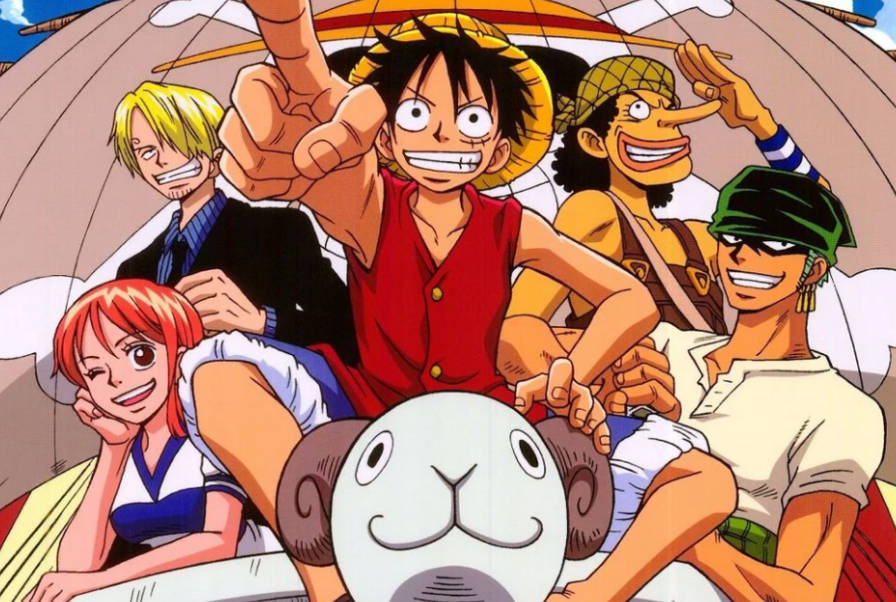
The Narrative Mastery of One Piece
One Piece is widely regarded as one of the greatest manga and anime series of all time, not just for its compelling characters and epic battles, but for its masterful storytelling. Eiichiro Oda has crafted a narrative that spans over two decades, weaving together complex plot threads, rich character arcs, and profound thematic elements. This article provides a comprehensive analysis of One Piece’s narrative structure, storytelling techniques, and thematic depth.
Narrative Structure
Episodic vs. Serial Storytelling:
- Arc-Based Structure: The story is divided into distinct arcs
- Overarching Plot: Each arc contributes to the larger narrative
- Self-Contained Stories: Arcs that can be enjoyed independently
- Serialized Elements: Ongoing plot threads that span multiple arcs
- Balance: Perfect balance between standalone stories and serialized elements
Three-Act Structure Application:
- Act One: Introduction and setup (East Blue to Alabasta)
- Act Two: Development and rising action (Skypiea to Marineford)
- Act Three: Climax and resolution (Post-timeskip to present)
- Sub-Arcs: Each major arc following its own three-act structure
- Narrative Pacing: Careful control of pacing within each act
Foreshadowing and Setup:
- Long-Term Foreshadowing: Hints at events years before they occur
- Chekhov’s Gun: Objects and characters introduced early that become important later
- Plot Threads: Multiple ongoing storylines that converge at key points
- Mystery Boxes: Questions raised early that are answered later
- Retroactive Foreshadowing: Earlier events taking on new meaning in hindsight
Character Arcs Within the Narrative:
- Luffy’s Journey: From a naive boy to a mature pirate captain
- Straw Hat Development: Each crew member’s growth and backstory
- Villain Redemption: Antagonists who undergo character development
- Supporting Character Arcs: Secondary characters with meaningful growth
- Parallel Arcs: Multiple character arcs happening simultaneously
Storytelling Techniques
World Building as Storytelling:
- Environmental Storytelling: The world itself revealing backstory
- Cultural Depth: Detailed cultures and histories for different regions
- Geographic Storytelling: The journey itself as a narrative device
- Political Intrigue: Complex power dynamics driving the plot
- Historical Context: Rich backstory informing current events
Dialogue and Characterization:
- Distinctive Voices: Each character with a unique speaking style
- Subtext: Dialogue with underlying meaning
- Exposition Through Dialogue: Natural delivery of information
- Character Reveal: Personality traits revealed through speech
- Humor in Dialogue: Comedic exchanges that feel organic
Visual Storytelling:
- Panel Composition: Visual cues conveying emotion and tension
- Action Sequences: Fight scenes that advance the plot
- Symbolism: Visual elements carrying thematic weight
- Expression Work: Facial expressions conveying character emotions
- Page Turn Reveals: Impactful visual reveals at key moments
Emotional Pacing:
- Tonal Shifts: Seamless transitions between comedy and drama
- Emotional Peaks: Carefully timed moments of high emotion
- Breathing Room: Calm moments between intense scenes
- Cliffhangers: Ending chapters on suspenseful notes
- Payoffs: Emotional resolutions to long-running plot threads
Thematic Depth
Friendship and Camaraderie:
- Found Family: The Straw Hats as a surrogate family
- Loyalty: Characters willing to sacrifice for their friends
- Trust: The importance of trusting one’s companions
- Unity: Strength in numbers and teamwork
- Emotional Support: Friends providing comfort during difficult times
Freedom and Adventure:
- Pursuit of Dreams: Characters following their aspirations
- Breaking Chains: Overcoming oppression and control
- Self-Determination: Choosing one’s own path in life
- Exploration: The joy of discovering new places
- Living in the Moment: Embracing the journey rather than just the destination
Justice and Morality:
- Moral Complexity: Characters with shades of gray
- Corruption: The abuse of power by authority figures
- Personal Justice: Characters defining their own sense of right and wrong
- Consequences: Actions having meaningful repercussions
- Redemption: The possibility of change and atonement
Identity and Self-Discovery:
- Self-Acceptance: Characters learning to embrace who they are
- Past vs. Future: Overcoming past mistakes and trauma
- Personal Growth: Characters evolving over time
- Finding One’s Place: Searching for belonging and purpose
- Authenticity: Being true to oneself despite external pressures
Cultural and Historical Influences
Pirate Mythology:
- Golden Age of Piracy: Influence from real historical pirates
- Pirate Code: Concepts of honor among thieves
- Treasure Hunts: The quest for the One Piece as a modern treasure hunt
- Ships and Navigation: Authentic nautical details
- Pirate Stereotypes: Subverting and playing with pirate tropes
Japanese Folklore and History:
- Samurai Culture: Bushido principles reflected in characters
- Feudal Japan: Wano Country as a parallel to historical Japan
- Yokai: Influence from Japanese mythical creatures
- Shinto Beliefs: Elements of Japanese spirituality
- War and Reconstruction: Themes of conflict and rebuilding
Western Literature and Film:
- Epic Journeys: Influence from stories like The Odyssey
- Coming-of-Age Narratives: Characters growing into their roles
- Heist Stories: Elaborate plans and schemes
- Westerns: Themes of frontier justice and freedom
- Film Techniques: Cinematic storytelling techniques adapted to manga
Political and Social Commentary:
- Authoritarianism: Critique of oppressive governments
- Class Inequality: Examination of social hierarchies
- Racism and Prejudice: Exploration of discrimination
- Environmentalism: Themes of nature and conservation
- Media Manipulation: Control of information by those in power
Character-Driven Storytelling
Protagonist-Centered Narrative:
- Luffy’s Perspective: The story primarily through Luffy’s eyes
- Protagonist Agency: Luffy driving the plot through his actions
- Character Motivation: Plot events stemming from character desires
- Moral Compass: Luffy’s sense of justice guiding the narrative
- Relatability: Luffy’s flaws making him a compelling protagonist
Ensemble Cast Management:
- Balanced Screen Time: Each Straw Hat receiving meaningful focus
- Interpersonal Dynamics: Relationships between crew members driving subplots
- Collective Growth: The crew evolving as a unit
- Individual Spotlight Arcs: Arcs focused on specific crew members
- Ensemble Chemistry: The crew’s dynamic creating engaging interactions
Villain as Narrative Catalyst:
- Sympathetic Villains: Antagonists with understandable motivations
- Villain Backstories: Tragic pasts that explain their actions
- Moral Conflict: Villains who challenge the protagonists’ beliefs
- Redemption Arcs: Antagonists who undergo positive change
- Narrative Foils: Villains who mirror or contrast with the protagonists
Supporting Character Integration:
- Memorable Side Characters: Secondary characters who leave an impression
- Recurring Characters: Supporting cast members who reappear
- Character Cameos: Brief appearances that delight fans
- Worldbuilding Through Characters: Supporting characters revealing world details
- Emotional Investment: Fans caring about even minor characters
Pacing and Rhythm
Tempo Control:
- Action Sequences: Fast-paced and dynamic
- Character Moments: Slower, more introspective scenes
- Comedic Relief: Well-timed humor to break tension
- Expository Scenes: Information delivered at a comfortable pace
- Climactic Moments: Carefully built tension released at the right moment
Chapter Structure:
- Opening Hook: Each chapter starting with an engaging moment
- Rising Action: Building tension throughout the chapter
- Mid-Chapter Twist: Unexpected developments in the middle
- Climax: The chapter’s most intense moment
- Closing Cliffhanger: Ending on a note that encourages continuation
Arc Pacing:
- Setup Phase: Introduction to new location and characters
- Development Phase: Rising action and character development
- Climax Phase: The arc’s most intense moments
- Resolution Phase: Wrapping up loose ends and character growth
- Arc Length Variation: Different arcs having different lengths based on importance
Long-Term Pacing:
- Major Story Beats: Key events spaced strategically throughout the narrative
- Timeskip: A narrative device to advance character development
- Plot Acceleration: Increasing pace as the story approaches its conclusion
- Breathing Room: Calmer arcs between major events
- Narrative Balance: Mixing standalone stories with serialized elements
Thematic Consistency
Core Themes Throughout the Series:
- Friendship: Consistent focus on the power of companionship
- Dreams: Characters pursuing their aspirations despite obstacles
- Freedom: The desire to live life on one’s own terms
- Justice: Standing up against oppression and corruption
- Hope: Maintaining optimism in the face of adversity
Thematic Evolution:
- Early Themes: Simpler, more straightforward messages
- Middle Themes: More complex and nuanced ideas
- Current Themes: Profound explorations of morality and purpose
- Thematic Depth: Themes becoming more layered as the series progresses
- Consistent Foundation: Core themes remaining constant despite evolution
Thematic Resonance in Character Arcs:
- Luffy’s Dream: His pursuit of the One Piece as a metaphor for following one’s passion
- Zoro’s Vow: His dedication to becoming the greatest swordsman as a metaphor for mastery
- Nami’s Freedom: Her escape from Arlong as a metaphor for overcoming oppression
- Sanji’s Chivalry: His dedication to protecting women as a metaphor for compassion
- Robin’s Truth: Her quest to uncover the Void Century as a metaphor for seeking knowledge
Thematic Resolution:
- Small-Scale Resolutions: Themes resolved within individual arcs
- Large-Scale Resolutions: Overarching themes resolved in the series finale
- Emotional Payoff: Themes providing emotional closure for characters and fans
- Universal Appeal: Themes that resonate with audiences across cultures
- Timeless Messages: Themes that remain relevant regardless of context
The Impact of Storytelling on Fan Engagement
Fan Theories and Speculation:
- Mystery Encouragement: Oda’s intentional gaps fostering fan theories
- Community Discussion: Fans collectively solving mysteries
- Theory Validation: Fans feeling rewarded when their theories are confirmed
- Re-reading Value: Discovering new details on subsequent readings
- Fan Creativity: Theories inspiring fan art, fiction, and analysis
Emotional Investment:
- Character Attachment: Fans forming deep connections with characters
- Narrative Investment: Fans caring deeply about the story’s outcome
- Emotional Rollercoaster: The story eliciting a wide range of emotions
- Memorable Moments: Scenes that stick with fans for years
- Cathartic Releases: Emotional payoffs that feel earned
Cultural Impact:
- Meme Culture: One Piece moments becoming internet memes
- Quote Recognition: Iconic lines entering popular lexicon
- Reference Culture: One Piece being referenced in other media
- Cosplay Inspiration: Characters inspiring fan costumes
- Fan Communities: Online and offline groups dedicated to discussing the series
Longevity and Legacy:
- Sustained Quality: Maintaining high storytelling standards for over two decades
- Cross-Generational Appeal: Fans spanning multiple age groups
- Influence on Creators: Other mangaka and writers citing One Piece as an influence
- Critical Acclaim: Recognition from both fans and critics
- Enduring Popularity: Remaining relevant despite changing trends
The Future of One Piece Storytelling
Approaching Conclusion:
- Plot Thread Resolution: Answering remaining questions
- Character Arc Completion: Each crew member achieving their dreams
- Thematic Resolution: Concluding the series’ core themes
- Narrative Payoff: Rewarding fans for their investment
- Satisfying Ending: A conclusion that feels earned and fitting
Potential Spin-Offs and Expansions:
- Prequel Stories: Exploring the past of important characters
- Side Stories: Focusing on supporting characters
- Alternative Timelines: What-if scenarios exploring different possibilities
- Post-Canon Content: Stories set after the main series
- Expanded Universe: Media exploring different aspects of the One Piece world
Oda’s Legacy as a Storyteller:
- Narrative Innovation: Pushing the boundaries of manga storytelling
- Character Creation: Crafting some of the most memorable characters in fiction
- World Building: Creating one of the most detailed fictional worlds ever
- Thematic Depth: Exploring profound ideas within a popular series
- Influence on Manga: Changing the medium through his storytelling techniques
Conclusion
One Piece’s storytelling is a masterclass in narrative craft, combining complex structure, innovative techniques, and profound themes to create a story that has captivated audiences for over two decades. Eiichiro Oda’s ability to weave together multiple plot threads, develop compelling character arcs, and explore meaningful themes while maintaining a sense of adventure and fun is unmatched in the world of manga and anime.
As One Piece approaches its conclusion, fans can look forward to the resolution of long-running plot threads, the fulfillment of character arcs, and the culmination of thematic elements that have made the series so beloved. The storytelling legacy of One Piece will continue to inspire creators and entertain fans for generations to come.
What do you think is the most impressive aspect of One Piece’s storytelling? Share your thoughts in the comments below!