One Piece Voice Acting Analysis: The Voices Behind the Grand Line
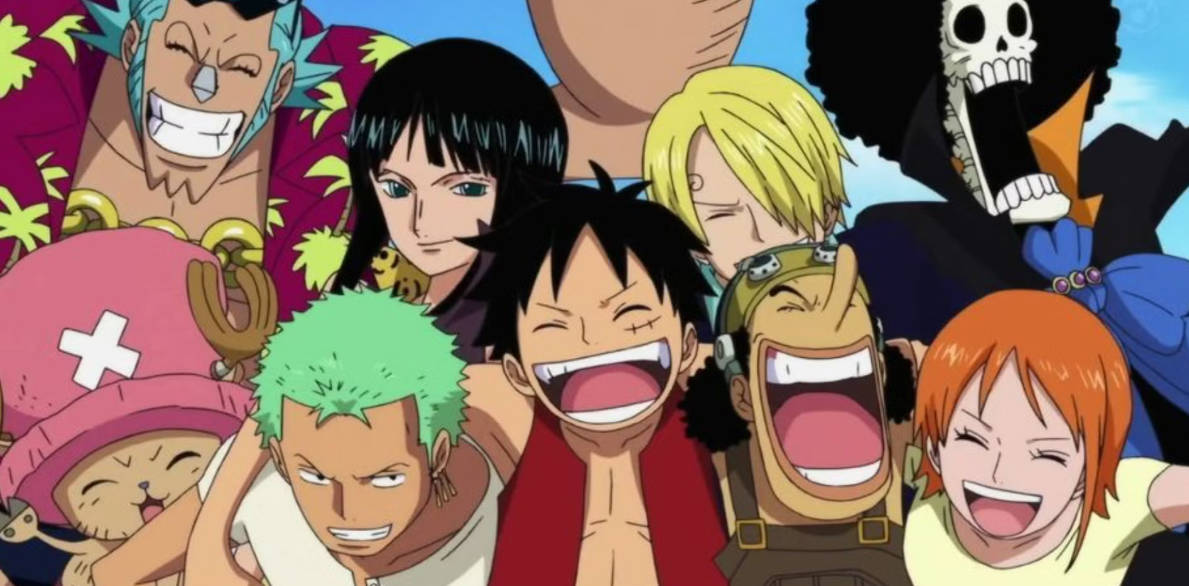
The Voices That Bring One Piece to Life
One Piece’s success as an anime is due not only to its compelling story and stunning animation but also to the exceptional voice acting that brings its characters to life. From Mayumi Tanaka’s energetic portrayal of Luffy to Kazuya Nakai’s stoic performance as Zoro, the voice actors of One Piece have become synonymous with the characters they portray. This article provides a comprehensive analysis of the voice acting in One Piece, examining the performers, their techniques, and the impact of their work on the series.
The Main Cast of Voice Actors
Mayumi Tanaka (Monkey D. Luffy)
- Career: Veteran voice actress with over 40 years of experience
- Other Roles: Krillin (Dragon Ball), Pazu (Castle in the Sky)
- Luffy Performance: Energetic, expressive, and authentic
- Vocal Techniques: Ability to convey Luffy’s range of emotions
- Longevity: Portraying Luffy for over 20 years
- Impact: Her performance defining Luffy’s character for millions of fans
- Awards: Recognition for her work on One Piece
- Fan Interaction: Popular at conventions and fan events
Kazuya Nakai (Roronoa Zoro)
- Career: Established voice actor known for tough-guy roles
- Other Roles: Toshiro Hijikata (Gintama), Giroro (Keroro Gunso)
- Zoro Performance: Stoic, serious, with moments of dry humor
- Vocal Techniques: Deep, authoritative voice with emotional depth
- Character Understanding: Capturing Zoro’s loyalty and determination
- Chemistry: Dynamic with other cast members
- Fan Reception: Highly praised for his portrayal of Zoro
- Professionalism: Consistent performance over many years
Akemi Okamura (Nami)
- Career: Voice actress with versatile range
- Other Roles: Sanae Nakajima (Kodocha), Tashigi (One Piece)
- Nami Performance: Sassy, intelligent, with emotional vulnerability
- Vocal Techniques: Ability to switch between tough and tender
- Character Growth: Portraying Nami’s evolution from thief to Straw Hat
- Key Moments: Her emotional performance during the Arlong Park arc
- Fan Recognition: Beloved for her portrayal of Nami
- Long-term Commitment: Consistent performance throughout the series
Hiroaki Hirata (Vinsmoke Sanji)
- Career: Experienced voice actor with suave delivery
- Other Roles: Sha Gojyo (Saiyuki), Kotaro Katsura (Gintama)
- Sanji Performance: Smooth, chivalrous, with comedic flair
- Vocal Techniques: Perfect balance of charm and intensity
- Character Nuance: Capturing Sanji’s complexity
- Chemistry: Great dynamic with other Straw Hat voice actors
- Fan Appeal: His portrayal enhancing Sanji’s popularity
- Adaptability: Handling Sanji’s emotional moments with skill
Chopper, Robin, Franky, Brook, Jinbe Voice Actors
- Ikue Otani (Tony Tony Chopper): Known for Pikachu in Pokémon, brings innocence to Chopper
- Yuriko Yamaguchi (Nico Robin): Elegant, mysterious performance
- Kazuki Yao (Franky): Energetic, boisterous portrayal
- Cho (Brook): Soulful, musical performance
- Kazuhiro Yamaji (Jinbe): Deep, authoritative voice
- Ensemble Chemistry: Strong dynamic between all Straw Hat voice actors
- Long-term Collaboration: Working together for many years
- Character Growth: Portraying the evolution of their characters
Supporting Cast and Guest Voice Actors
Villain Voice Actors
- Akio Otsuka (Blackbeard): Deep, menacing voice perfect for the series’ main antagonist
- Ryuzaburo Otomo (Whitebeard): Gravitas and authority in his performance
- Takehito Koyasu (Doflamingo): Flamboyant, sadistic portrayal
- Hōchū Ōtsuka (Kaido): Gruff, powerful voice for the strongest creature alive
- Mamiko Noto (Big Mom): Versatile performance capturing Big Mom’s range of emotions
- Vocal Techniques: Creating distinct, memorable villains
- Character Depth: Bringing complexity to even the most evil characters
- Fan Reception: Villains often becoming fan favorites due to voice acting
Supporting Character Voice Actors
- Kappei Yamaguchi (Usopp): Versatile performance capturing Usopp’s cowardice and bravery
- Toru Furuya (Ace): Warm, brotherly portrayal
- Tomokazu Sugita (Law): Cool, calculated performance
- Maaya Sakamoto (Robin’s younger self): Innocent portrayal of young Robin
- Guest Stars: Popular actors and celebrities making cameo appearances
- Casting Choices: Careful selection of voice actors for each character
- Character Distinction: Each supporting character having a unique voice
- Memorable Performances: Standout voice work for minor characters
Voice Acting Techniques in One Piece
Character Voice Creation
- Voice Design: Creating unique voices that match character designs
- Vocal Range: Using different registers to convey character traits
- Speech Patterns: Developing distinct speaking styles for each character
- Accent Work: Using accents to enhance character backgrounds
- Vocal Tics: Adding unique mannerisms to make characters memorable
- Consistency: Maintaining character voices over many years
- Adaptability: Adjusting voices as characters age and grow
- Collaboration: Working with directors to refine character voices
Emotional Performance
- Range of Emotion: Portraying joy, sadness, anger, and fear
- Emotional Authenticity: Delivering genuine, heartfelt performances
- Crying Scenes: Convincing portrayal of emotional distress
- Shouting and Screaming: Powerful delivery without straining voices
- Subtle Emotions: Conveying nuance through tone and inflection
- Character Motivation: Understanding why characters feel certain emotions
- Scene Context: Adapting performances to fit the scene’s mood
- Directorial Guidance: Working with directors to achieve desired emotional effects
Comedic Timing
- Punchlines: Delivering jokes with perfect timing
- Physical Comedy: Voice acting that matches physical humor
- Reactions: Over-the-top responses to comedic situations
- Deadpan Delivery: Dry humor for certain characters
- Improvisation: Ad-libbing lines to enhance comedy
- Character Chemistry: Playing off other voice actors for comedic effect
- Genre Understanding: Balancing comedy with drama
- Cultural Humor: Adapting jokes for different audiences
Action Scene Performance
- Battle Cries: Powerful shouts during combat
- Pain and Effort: Convincing portrayal of physical exertion
- Battle Dialogue: Delivering lines during intense action
- Breath Control: Maintaining performance during physically demanding scenes
- Energy Levels: Sustaining high energy throughout long action sequences
- Sound Effects Coordination: Working with sound designers for battle sounds
- Dynamic Range: Shifting between calm and intense moments
- Physicality: Using body language while recording to enhance performances
The Voice Acting Process
Recording Sessions
- Solo Sessions: Voice actors recording lines individually
- Group Sessions: Multiple actors recording together for better chemistry
- Directorial Feedback: Guidance from directors during recording
- Multiple Takes: Recording lines several times to get the perfect delivery
- Time Management: Efficiently recording large amounts of dialogue
- Scheduling: Coordinating sessions with voice actors’ busy schedules
- Technical Challenges: Working with different microphones and equipment
- Performance Consistency: Maintaining character voices across sessions
Script Adaptation
- Manga to Anime: Adapting manga dialogue for voice acting
- Translation Considerations: For international dubs
- Lip Sync: Adjusting dialogue to match character lip movements
- Cultural Adaptation: Modifying references for different audiences
- Line Delivery: Interpreting how lines should be delivered
- Character Voice Consistency: Ensuring voices match character personalities
- Creative License: Adding subtle changes to enhance performances
- Collaborative Process: Writers, directors, and actors working together
Post-Production
- Editing: Selecting the best takes for each line
- Sound Mixing: Balancing voice acting with sound effects and music
- ADR Work: Additional dialogue recording for scenes needing adjustments
- Quality Control: Ensuring consistent audio quality
- International Dubbing: Adapting performances for different languages
- Localization: Making cultural adjustments for international audiences
- Final Review: Directors reviewing the finished product
- Fan Feedback: Considering audience reactions to voice acting
The Impact of Voice Acting on One Piece
Character Popularity
- Voice Recognition: Characters becoming associated with their voices
- Fan Favorites: Voice acting contributing to character popularity
- Merchandise Sales: Voice actors promoting merchandise through their performances
- Cosplay Inspiration: Voice acting influencing how fans portray characters
- Character Identity: Voice acting as an essential part of character design
- Emotional Connection: Fans forming bonds with characters through their voices
- Memorable Lines: Iconic quotes becoming popular due to delivery
- Cultural Impact: Voice acting making characters recognizable worldwide
Anime Quality
- Production Value: High-quality voice acting enhancing overall anime production
- International Appeal: Voice acting that transcends cultural barriers
- Critical Acclaim: Recognition for outstanding voice performances
- Awards and Nominations: Voice actors receiving industry recognition
- Fan Engagement: Voice acting increasing fan involvement with the series
- Streaming Success: High-quality voice acting contributing to streaming popularity
- Blu-ray Sales: Voice acting being a selling point for physical media
- Legacy: Voice acting ensuring One Piece’s place in anime history
Voice Actor Careers
- Career Boost: One Piece roles enhancing voice actors’ careers
- Fan Recognition: Voice actors becoming celebrities in their own right
- Convention Appearances: Popularity at anime conventions worldwide
- Merchandise Opportunities: Voice actors lending their voices to merchandise
- Cross-Promotion: Voice actors promoting One Piece through other projects
- Long-term Relationships: Lasting bonds between voice actors and the series
- Retirement Planning: Legacy of their performances continuing after their careers
- Influence on New Voice Actors: Inspiring the next generation of performers
Challenges in One Piece Voice Acting
Long-term Commitment
- Voice Consistency: Maintaining character voices over 20+ years
- Physical Strain: The toll of voice acting on vocal cords
- Scheduling Conflicts: Balancing One Piece with other projects
- Character Growth: Adapting voices as characters develop
- Emotional Exhaustion: Delivering intense performances repeatedly
- Continuity: Ensuring consistent performances across different arcs
- Succession Planning: Preparing for potential voice actor changes
- Fan Expectations: Meeting high standards for beloved characters
Technical Challenges
- Recording Conditions: Adapting to different studios and equipment
- Background Noise: Minimizing distractions during recording
- Vocal Health: Maintaining voice quality over long sessions
- Line Density: Recording large amounts of dialogue efficiently
- Sound Effects Coordination: Working with complex sound designs
- Dubbing Challenges: For international adaptations
- Lip Sync Precision: Matching dialogue to animated lip movements
- Audio Quality: Ensuring professional sound production
Creative Challenges
- Character Consistency: Maintaining character voices across different situations
- Freshness: Keeping performances energetic after many years
- Emotional Depth: Bringing new layers to characters
- Collaboration: Working with new voice actors and directors
- Adaptation: Interpreting new manga material for voice acting
- Fan Feedback: Responding to audience reactions
- Creative Stamina: Sustaining creativity over long production runs
- Balancing Act: Maintaining consistency while allowing for growth
The Future of One Piece Voice Acting
Continuity and Change
- Current Cast: Continuing to voice their characters
- Potential Replacements: Preparing for future voice actor changes
- Training New Talent: Mentoring the next generation of voice actors
- Digital Preservation: Archiving voice performances for future use
- Voice Synthesis: Exploring AI voice technology for character consistency
- Fan Expectations: Managing expectations for voice acting in the final arcs
- Emotional Closure: Delivering powerful performances for the series conclusion
- Legacy Planning: Ensuring the voice acting legacy continues
International Dubs and Adaptations
- English Dub: Cast and production of the English version
- Other Language Dubs: Voice acting in different languages worldwide
- Cultural Adaptation: Localizing performances for different audiences
- Voice Actor Selection: Choosing appropriate voices for international markets
- Dubbing Techniques: Maintaining the essence of original performances
- Fan Reception: Comparing different language versions
- Global Accessibility: Making One Piece available in multiple languages
- Cross-Cultural Impact: Voice acting contributing to One Piece’s global appeal
Voice Acting in Spin-Offs and Adaptations
- Film Voice Acting: Performances in One Piece theatrical films
- Video Game Voice Acting: Voice work for One Piece games
- Live-Action Adaptation: Voice acting in the Netflix series
- Spin-Off Series: Voice work for One Piece spin-offs
- Crossover Projects: Voice acting in collaborations with other franchises
- Merchandise Voice Work: Voice acting for toys and other products
- Theme Park Attractions: Voice work for One Piece rides and shows
- Future Projects: Voice acting for upcoming One Piece media
Conclusion
The voice acting in One Piece is an essential component of the series’ success, bringing its characters to life with authenticity, emotion, and skill. From the main Straw Hat crew to the villains and supporting characters, each voice actor has contributed to making One Piece a beloved global phenomenon. As the series approaches its conclusion, the voice actors continue to deliver outstanding performances that resonate with fans worldwide. Their work will remain an integral part of One Piece’s legacy, ensuring that the characters’ voices continue to inspire and entertain audiences for generations to come.
Who’s your favorite One Piece voice actor? Share your thoughts in the comments below!