One Piece World Design Analysis: The Architecture of the Grand Line
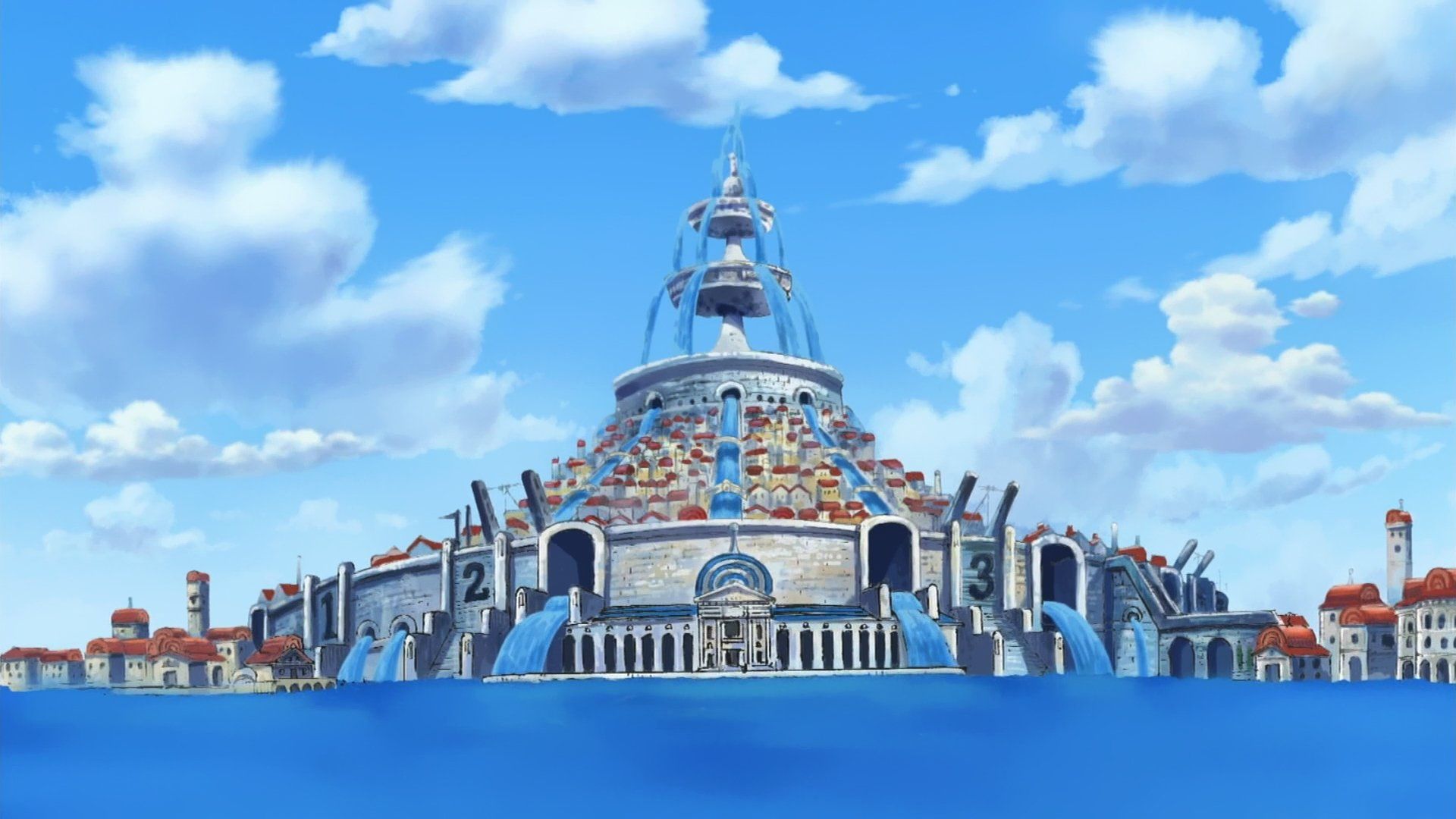
The Architectural Marvel of the One Piece World
One Piece features one of the most meticulously designed fictional worlds in all of manga and anime. From the towering cities of Water 7 to the ancient ruins of Alabasta, the architectural and environmental design of the One Piece world is not just a backdrop but a character in its own right. This article explores the world design of One Piece, examining the architectural styles, environmental diversity, and the creative vision behind the series’ iconic locations.
Architectural Styles Across the World
Medieval European Influence
- Locations: Alabasta, Dressrosa, Mariejois
- Architectural Elements: Castles, fortresses, and cobblestone streets
- Defensive Structures: Walls, towers, and moats
- Cultural Significance: Reflections of feudal societies
- Visual Impact: Grand, imposing structures that convey power
Eastern Architectural Influence
- Locations: Wano Country, Kuri
- Architectural Elements: Traditional Japanese castles, wooden structures
- Cultural Significance: Reflection of feudal Japan
- Environmental Integration: Buildings designed to harmonize with nature
- Visual Impact: Elegant, culturally rich structures
Steampunk and Industrial Design
- Locations: Water 7, Punk Hazard
- Architectural Elements: Mechanical structures, steam-powered machinery
- Technological Integration: Buildings as functional machines
- Cultural Significance: Reflection of industrial revolutions
- Visual Impact: Complex, mechanical structures that showcase human ingenuity
Natural and Organic Architecture
- Locations: Skypiea, Zou
- Architectural Elements: Structures built from natural materials
- Environmental Integration: Buildings that blend with their surroundings
- Cultural Significance: Reflection of societies in harmony with nature
- Visual Impact: Organic, flowing structures that feel part of the environment
Futuristic and Alien Design
- Locations: Enies Lobby, Egghead Island
- Architectural Elements: Sleek, modern structures with advanced technology
- Technological Integration: Buildings with futuristic features
- Cultural Significance: Reflection of advanced civilizations
- Visual Impact: Clean, high-tech structures that contrast with traditional designs
Environmental Diversity
Desert Environments
- Locations: Alabasta, Arabasta Kingdom
- Climate Features: Sparse vegetation, extreme temperatures
- Cultural Adaptations: Water conservation, desert-specific architecture
- Ecological Balance: Unique desert flora and fauna
- Narrative Function: Symbol of struggle and survival
Snow and Ice Environments
- Locations: Drum Island, Punk Hazard
- Climate Features: Perpetual snow, freezing temperatures
- Cultural Adaptations: Insulated structures, winter-specific clothing
- Ecological Balance: Unique cold-adapted species
- Narrative Function: Symbol of isolation and resilience
Tropical and Coastal Environments
- Locations: East Blue Islands, Fish-Man Island
- Climate Features: Warm temperatures, abundant vegetation
- Cultural Adaptations: Open-air structures, seafood-based diets
- Ecological Balance: Rich marine and tropical ecosystems
- Narrative Function: Symbol of abundance and adventure
Volcanic and Lava Environments
- Locations: Punk Hazard, Dressrosa
- Climate Features: Extreme heat, volcanic activity
- Cultural Adaptations: Heat-resistant structures, fire-based technology
- Ecological Balance: Unique heat-adapted species
- Narrative Function: Symbol of danger and transformation
Sky and Floating Environments
- Locations: Skypiea, Weatheria
- Climate Features: Thin air, unique weather patterns
- Cultural Adaptations: Cloud-based architecture, flight technology
- Ecological Balance: Unique sky-dwelling species
- Narrative Function: Symbol of freedom and transcendence
Iconic Locations and Their Design
Water 7
- Design Concept: A city built on water with canals instead of streets
- Architectural Style: Venetian-inspired with a steampunk twist
- Key Structures: The Galley-La Company, the Aqua Laguna barriers
- Environmental Challenges: Flooding, Aqua Laguna storms
- Cultural Significance: World’s premier shipbuilding center
Wano Country
- Design Concept: A feudal Japanese-inspired isolationist nation
- Architectural Style: Traditional Japanese with castle towns and rural villages
- Key Structures: Onigashima, the Flower Capital, Kuri Castle
- Environmental Challenges: Mountainous terrain, isolation
- Cultural Significance: Reflection of traditional Japanese culture and samurai ethics
Skypiea
- Design Concept: A civilization living on floating islands in the sky
- Architectural Style: Cloud-based structures with Greek-inspired elements
- Key Structures: Upper Yard, the Golden City of Shandora
- Environmental Challenges: Thin air, weather anomalies
- Cultural Significance: Exploration of religious themes and cultural conflict
Fish-Man Island
- Design Concept: An underwater kingdom inhabited by Fish-Men and Merfolk
- Architectural Style: Submerged structures with bioluminescent elements
- Key Structures: The Royal Palace, the Fish-Man District
- Environmental Challenges: Water pressure, sea monster attacks
- Cultural Significance: Exploration of racism and coexistence
Mariejois
- Design Concept: The opulent capital of the World Government
- Architectural Style: Greek-inspired with Roman elements, emphasizing grandeur
- Key Structures: The Pangaea Castle, the Empty Throne
- Environmental Challenges: Protected by the Red Line and Marine forces
- Cultural Significance: Symbol of power, privilege, and oppression
The Creative Process Behind World Design
Eiichiro Oda’s Design Philosophy
- Readability: Prioritizing clear, understandable designs
- Narrative Integration: Locations that serve the story
- Thematic Consistency: Environments that reflect the arc’s themes
- Visual Variety: Constantly introducing new and diverse locations
- Attention to Detail: Meticulous planning of every location
Research and Inspiration
- Real-World Locations: Drawing inspiration from actual places
- Historical Architecture: Studying different architectural periods
- Cultural Research: Understanding the cultures behind architectural styles
- Environmental Science: Researching different ecosystems
- Creative Adaptation: Transforming real-world inspiration into fantasy designs
World Building as Storytelling
- Environmental Storytelling: Locations that reveal backstory
- Character-Environment Relationships: How characters interact with their surroundings
- Plot-Driven Design: Locations that create specific challenges for characters
- Thematic Resonance: Environments that reinforce the arc’s themes
- Emotional Impact: Locations that evoke specific emotions
Scale and Proportion
- Grand Structures: Imposing buildings that convey power
- Human Scale: Structures that feel appropriate for their inhabitants
- Environmental Scale: Locations that feel part of a larger world
- Visual Hierarchy: Important structures given prominence
- Dynamic Perspective: Changing angles to emphasize scale
The Role of Environment in Narrative
Environmental Challenges as Conflict
- Natural Disasters: Aqua Laguna in Water 7, volcanoes in Punk Hazard
- Geographic Obstacles: Reverse Mountain, Calm Belts
- Climate Extremes: Desert heat in Alabasta, snowstorms in Drum Island
- Ecological Dangers: Sea Kings, giant beasts
- Narrative Function: Creating tension and forcing characters to adapt
Environmental Symbolism
- Mariejois: Symbol of elitism and oppression
- Wano Country: Symbol of tradition and isolation
- Alabasta: Symbol of struggle and survival
- Skypiea: Symbol of spiritual transcendence
- Fish-Man Island: Symbol of unity and overcoming prejudice
Environmental Transformation
- Before and After: Locations changing due to character actions
- Restoration: Damaged environments being healed
- Destruction: Environments being destroyed as consequences
- Adaptation: Characters modifying environments to suit their needs
- Narrative Function: Showing the impact of characters on the world
Environmental Progression
- Journey Through Environments: The crew encountering increasingly diverse locations
- Environmental Challenges: Each new location presenting new obstacles
- Thematic Progression: Environments reflecting the crew’s growth
- Narrative Climax: The final location matching the story’s scale
- Visual Evolution: The world design becoming more complex as the story progresses
Technical Aspects of World Design
Panel Composition and Perspective
- Establishing Shots: Wide panels that show entire locations
- Dynamic Angles: Changing perspectives to emphasize scale and drama
- Close-Ups: Details that reveal character and culture
- Page Layout: Using panel arrangement to guide the reader through locations
- Visual Flow: Creating a sense of movement through spaces
Color Theory in Environmental Design
- Color Palettes: Consistent color schemes for different locations
- Mood Through Color: Using color to evoke specific emotions
- Visual Contrast: Using color to highlight important elements
- Symbolic Color Use: Colors representing themes or characters
- Color Evolution: Changing color schemes to reflect time of day or mood
Lighting and Atmosphere
- Natural Lighting: Sunlight, moonlight, and starlight
- Artificial Lighting: Torches, lanterns, and futuristic lighting
- Atmospheric Effects: Fog, mist, and dust
- Time of Day: Morning, afternoon, evening, and night scenes
- Seasonal Lighting: Different lighting for different seasons
Background Detail and Depth
- Foreground Elements: Objects in the immediate view
- Midground Elements: The main focus of the scene
- Background Elements: Distant structures and landscapes
- Depth Cues: Overlapping, size variation, and atmospheric perspective
- Consistency: Maintaining consistent background details across panels
The Impact of World Design on Merchandise and Adaptations
Location-Based Merchandise
- Dioramas: Detailed replicas of iconic locations
- Building Sets: Construction sets of famous structures
- Posters and Prints: Artwork featuring iconic locations
- Maps: Detailed maps of the One Piece world
- Collector’s Items: Limited edition location-based merchandise
Theme Park Attractions
- One Piece Tower: Attractions based on iconic locations
- Rides: Experiences that simulate the crew’s adventures
- Live Shows: Performances set in One Piece locations
- Interactive Exhibits: Displays that showcase the world design
- Themed Areas: Sections of parks dedicated to One Piece locations
Anime and Film Adaptations
- Background Animation: Detailed animated backgrounds
- Camera Movement: Dynamic shots that showcase locations
- Lighting Effects: Enhanced lighting for dramatic effect
- Color Enhancement: Vibrant colors that bring locations to life
- Environmental Animation: Moving elements like water, clouds, and foliage
Video Game Environments
- Open-World Design: Games that let players explore One Piece locations
- Interactive Environments: Locations that respond to player actions
- Level Design: Game levels based on iconic locations
- Environmental Puzzles: Challenges that use the environment
- Immersive Experiences: Virtual reality adaptations of locations
The Future of One Piece World Design
Upcoming Locations
- Laugh Tale: The final island and most mysterious location
- Elbaf: The land of giants
- Other unexplored regions: New locations in the final saga
- Character-Specific Locations: Places tied to crew members’ backstories
- Epic Scale: Locations matching the grandeur of the final arc
Design Evolution
- Increased Detail: More meticulously designed locations
- Technical Innovation: New artistic techniques for rendering environments
- Thematic Depth: Locations with deeper symbolic meaning
- Narrative Integration: Environments that play more active roles in the story
- Visual Spectacle: More impressive and awe-inspiring locations
Legacy of World Design
- Influence on Other Media: Inspiring world design in other manga and anime
- Fan Creativity: Fans creating their own One Piece-inspired locations
- Academic Interest: Study of One Piece’s world design in academic circles
- Cultural Impact: Iconic locations becoming part of pop culture
- Enduring Appeal: Locations that remain memorable long after the series ends
The Philosophy of World Design
Unity in Diversity
- Cohesive World: Despite diversity, all locations feel part of the same world
- Consistent Rules: Environmental rules that apply across the world
- Interconnectedness: Locations that reference and affect each other
- Cultural Exchange: Trade and cultural influence between locations
- Narrative Consistency: Events in one location affecting others
The Human Element in Design
- Inhabitant Influence: How people shape their environments
- Cultural Expression: Architecture as a reflection of culture
- Adaptation: How people modify their environment to survive
- Impact: How human activity changes the environment
- Coexistence: Harmony between humans and nature
The Power of Imagination
- Creative Freedom: Unrestricted by real-world limitations
- Fantasy Elements: Locations impossible in the real world
- Symbolic Design: Locations that represent abstract concepts
- Emotional Resonance: Locations that evoke specific feelings
- Sense of Wonder: Creating locations that inspire awe
Environmental Consciousness
- Nature Conservation: Themes of protecting the environment
- Ecological Balance: Exploration of natural harmony
- Human Impact: Examination of how humans affect nature
- Sustainable Design: Environments that work with nature
- Message of Stewardship: Responsibility for caring for the world
Conclusion
The world design of One Piece is a testament to Eiichiro Oda’s creative genius, combining architectural diversity, environmental variety, and narrative integration to create a world that feels both fantastical and lived-in. From the desert kingdoms of Alabasta to the underwater cities of Fish-Man Island, each location in One Piece is meticulously crafted to serve the story, reflect cultural themes, and inspire wonder in fans. As the series approaches its conclusion, fans can look forward to the revelation of Laugh Tale and other unexplored locations, each sure to showcase Oda’s unparalleled talent for world building.
What’s your favorite location in the One Piece world? Share your thoughts in the comments below!